

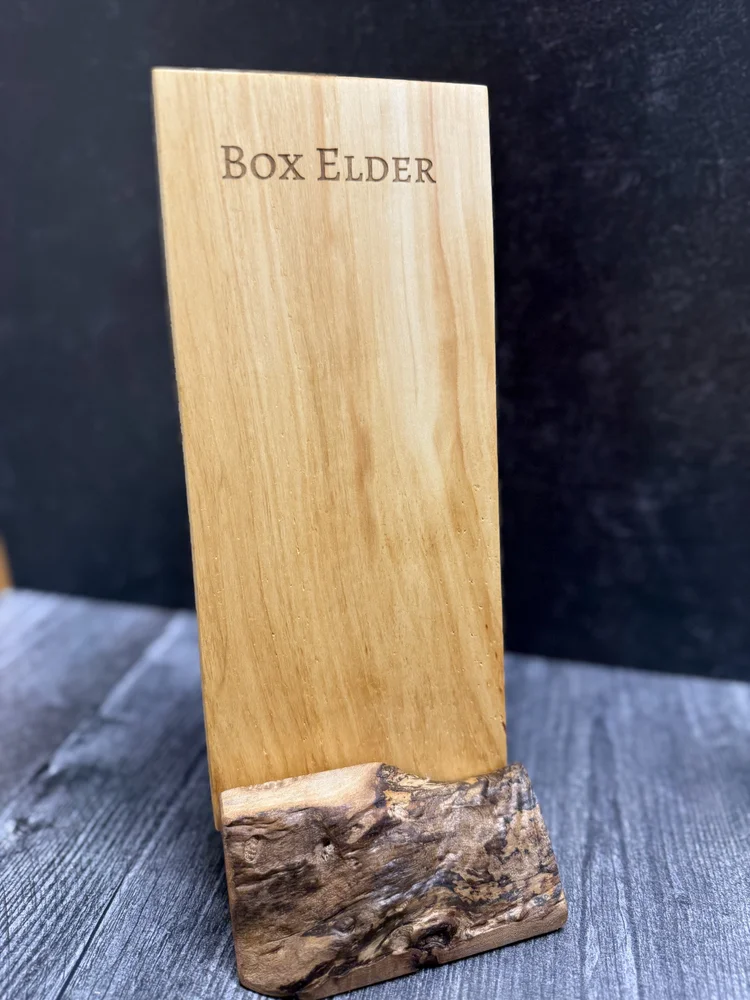
Box Elder
The flame in this wood is a fungus the tree fought and lost.
Acer negundo Widely distributed across the United States and southern Canada
Widely distributed across the United States and southern Canada.
True maple despite the name and the compound leaves. Pale sapwood, sometimes greenish-yellow like poplar.
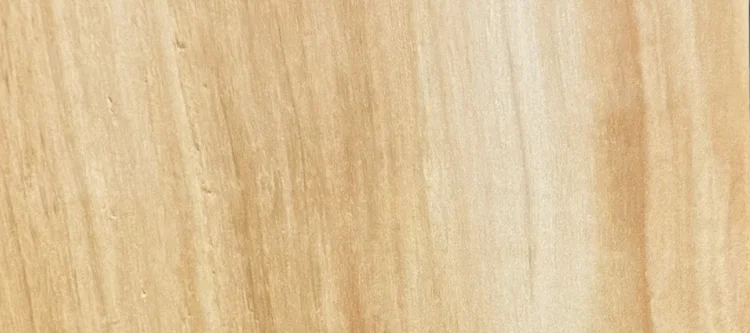
What you see.
Pale sapwood, sometimes greenish-yellow like poplar. Heartwood runs gray-brown until Fusarium gets in — that is where the red flame comes from. Most of it fades on drying. The flame at the saw is not the flame in the finished piece.
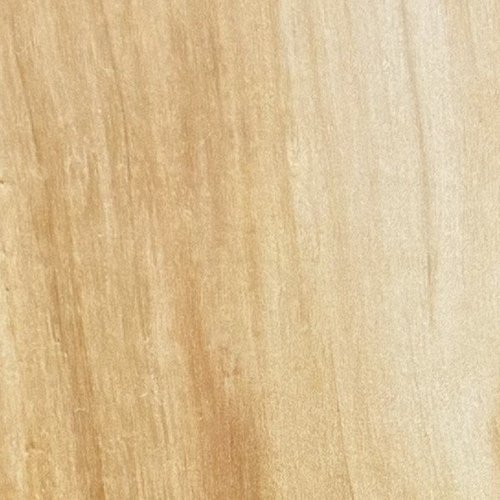
Heartwood, this specimen
How the grain runs.
Straight to slightly irregular grain. Fine, even texture, low luster. Pores so small the rings barely show.
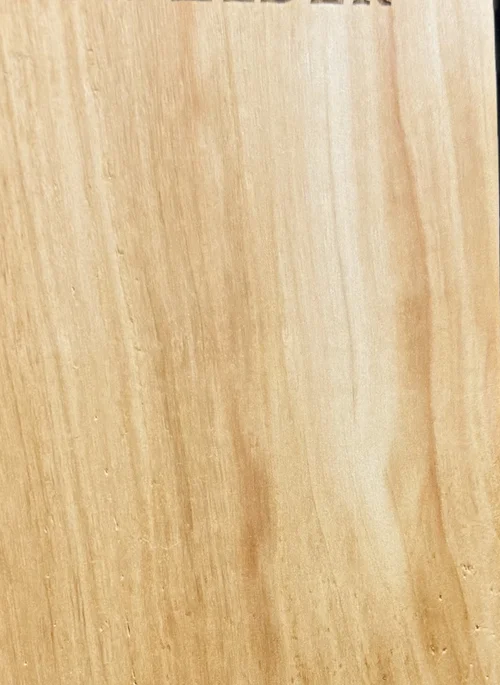
Closer in
On the bench.
Non-durable. The same vulnerability that lets fungus in is what gives you the figure. Soft. Easy under hand and machine. Glues, turns, finishes clean. Spalted boards hide punky spots — stabilize before you cut. Wet boards smell sour. Goes away with the moisture. Like other maples, dust can irritate skin and lungs in sensitized workers. Pollen is the more familiar problem, but that is the tree, not the timber.
The numbers, looked at directly.
0lbf
3,200 N. Side-hardness — force to embed a half-inch steel ball halfway into the wood.
0lbs/ft³
485 kg/m³. At 12% MC.
0.42/ 0.49 at 12% MC
Basic over green volume; second number at 12% moisture content.
A side-hardness measurement. Higher number, harder wood.
On sourcing
Where this wood comes from matters.
Not on CITES. Not on the IUCN Red List. Fast-growing, weedy, abundant.
What it's for.
- Bowls
- Pen blanks
- Small ornaments
- Crates
- Charcoal
- Pulp
Worth knowing.
True maple despite the name and the compound leaves. The only North American maple with pinnate foliage. The flame that sells the boards is the tree fighting fungus. Sick trees make the prettiest figure.