

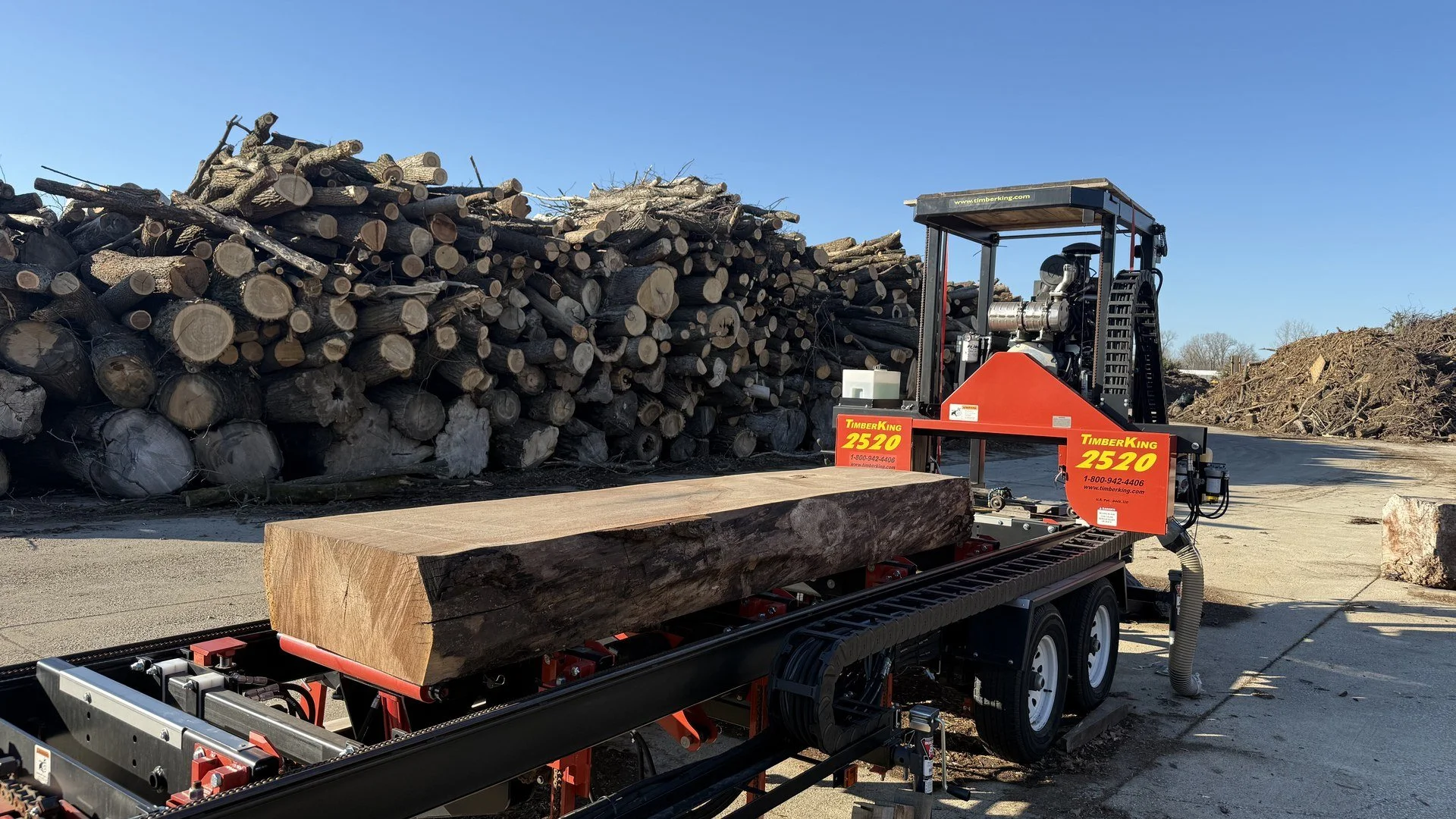
Custom Sawmill Milling, West Chicago
Wood-Mizer and TimberKing bandsaw mills, an air-drying yard on the grounds of Kramer Tree Specialists, and a vacuum kiln down the road. Drop off a log, get back lumber.
Bring a log, leave with lumber.
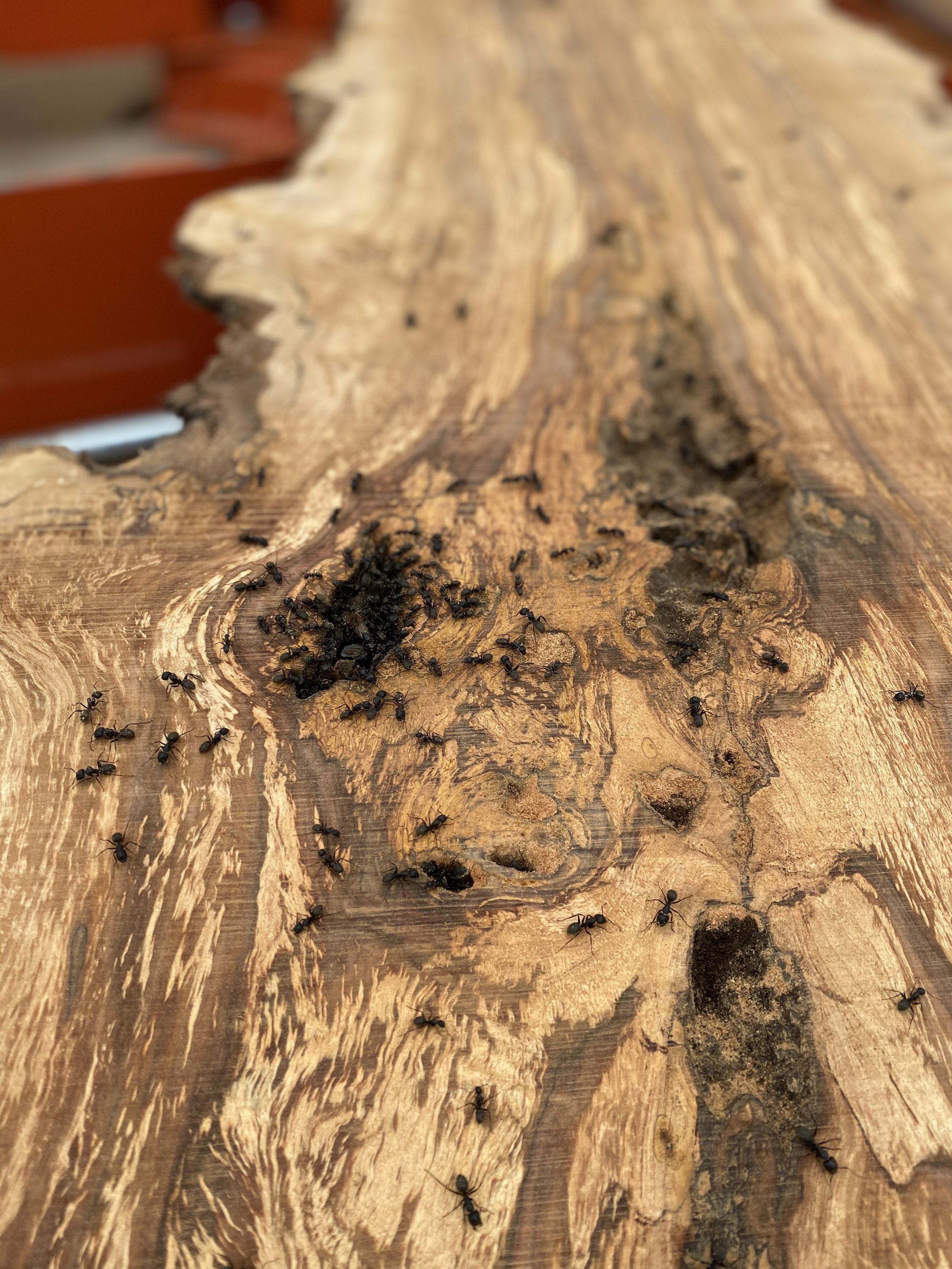
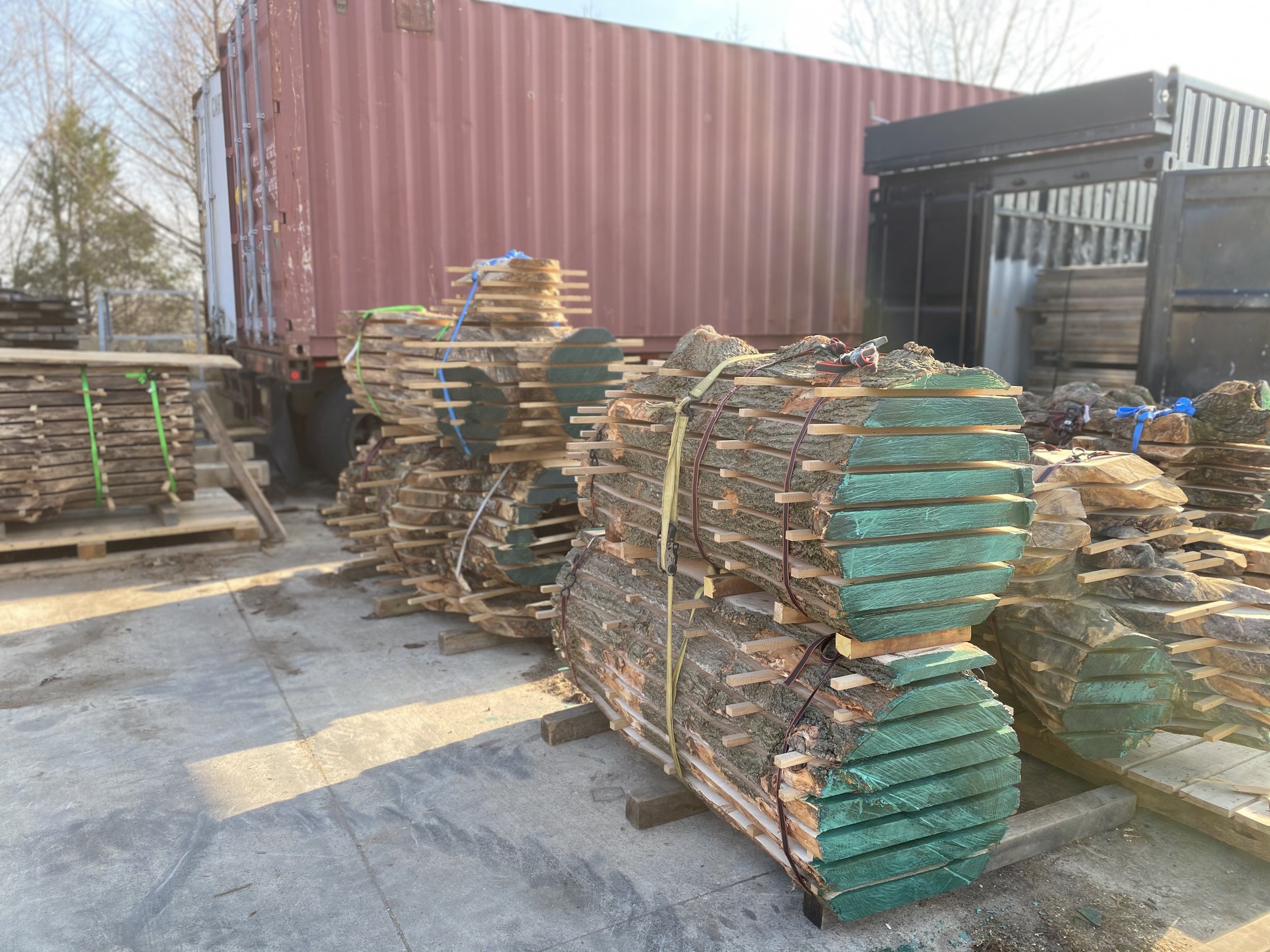
The Wood-Mizer LX250 handles logs up to 54 inches in diameter and 12 feet long. The TimberKing handles up to 36 inches wide and 20 feet long. Minimum $300 to run the saw — that covers setup, blade wear, and the reading of the log before the first cut. A word on what comes through: urban logs rarely come clean. The best metal detector on a log is a new blade, because every blade change is usually because something hit something. A full inspection before milling — pulling out the nails, screws, old fence wire, and anything else visible — costs less than replacing a blade mid-cut, so it's worth the time. If the log has been sitting for a while, sealing the ends with Anchor-Seal before delivery keeps the cracking down. If it's been down less than a season, it can come straight to the mill After milling, most logs go into the kiln. That's a separate job on the pricing sheet, but it's the step that makes the lumber actually usable.
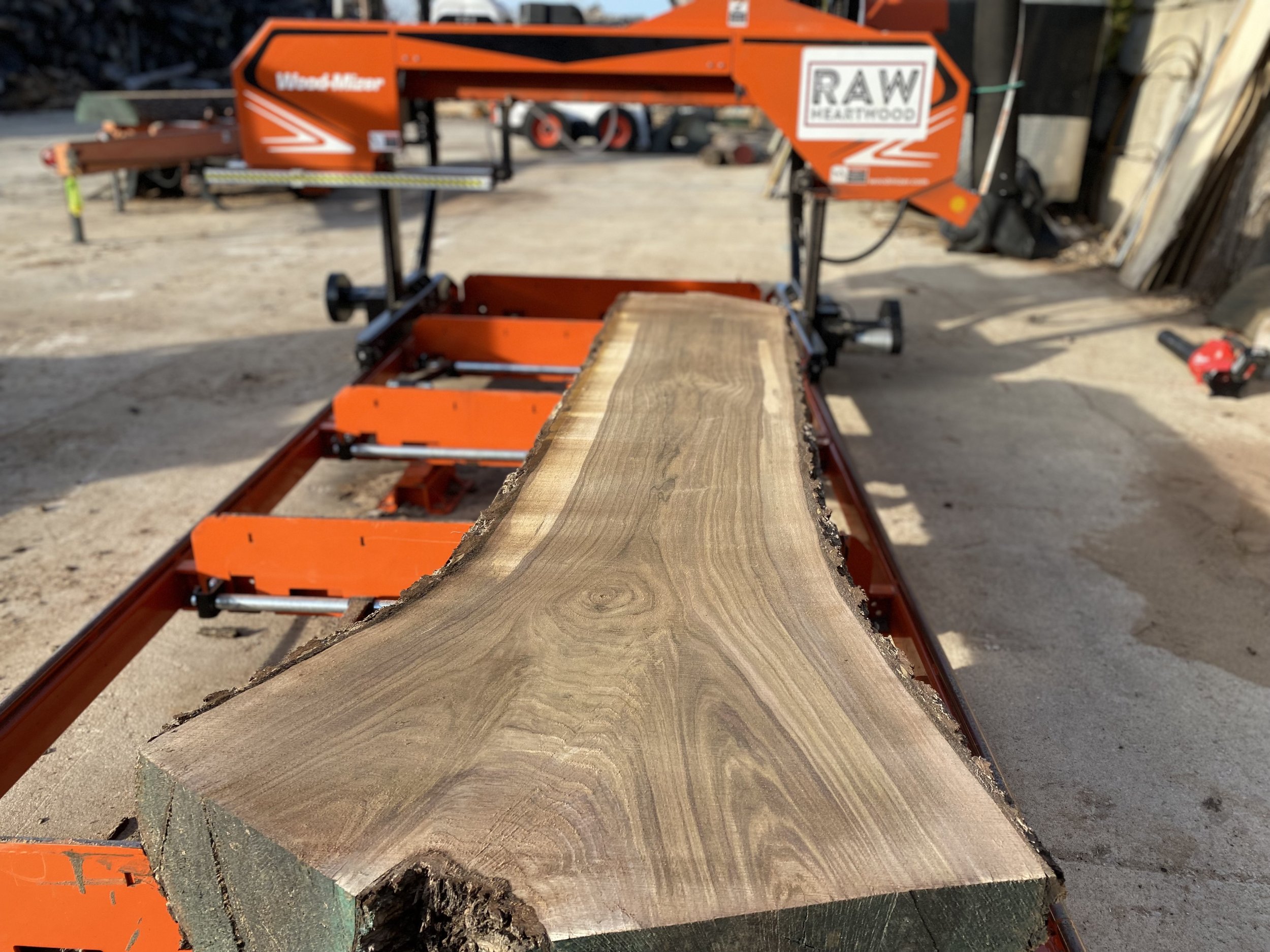
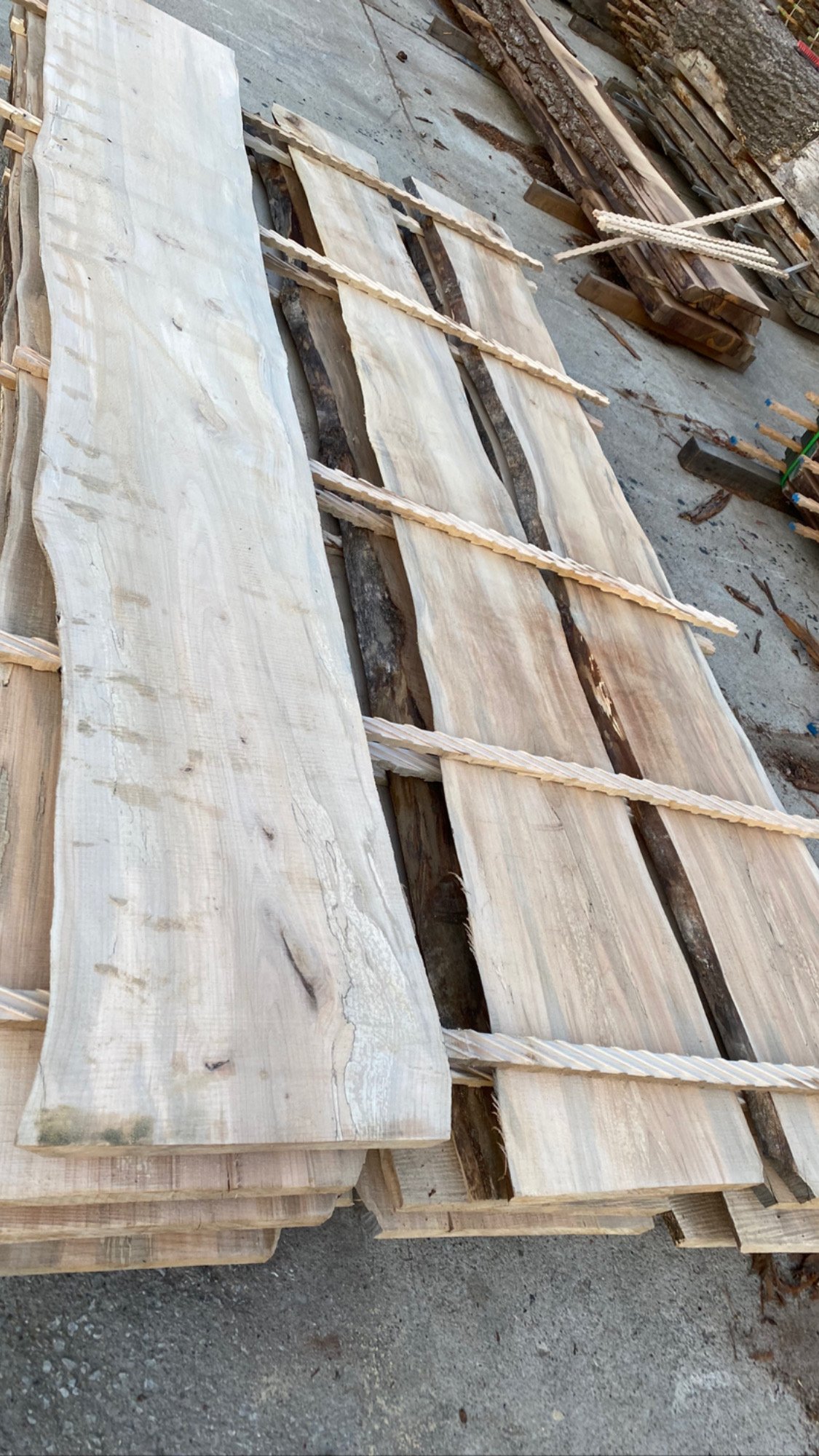
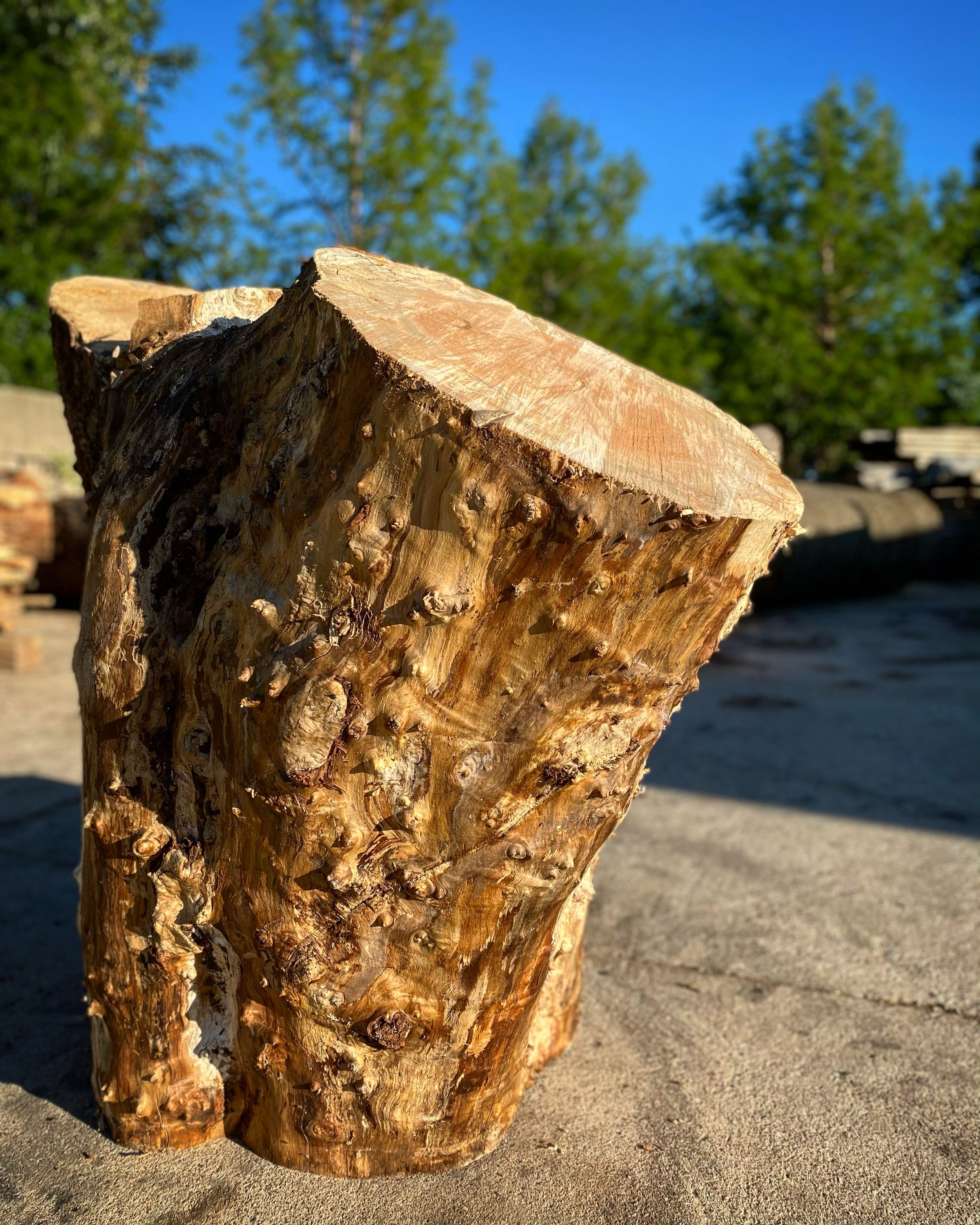
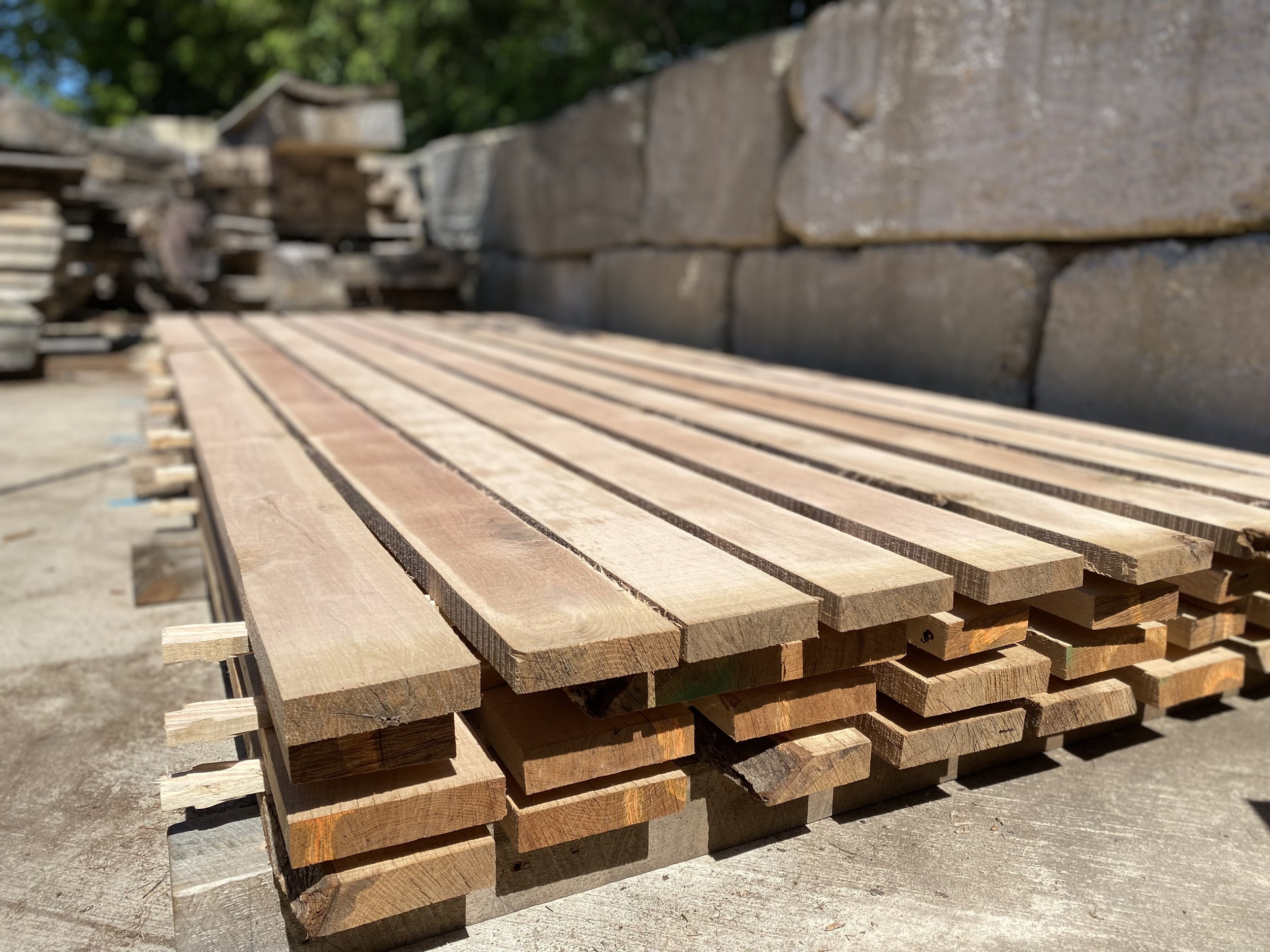
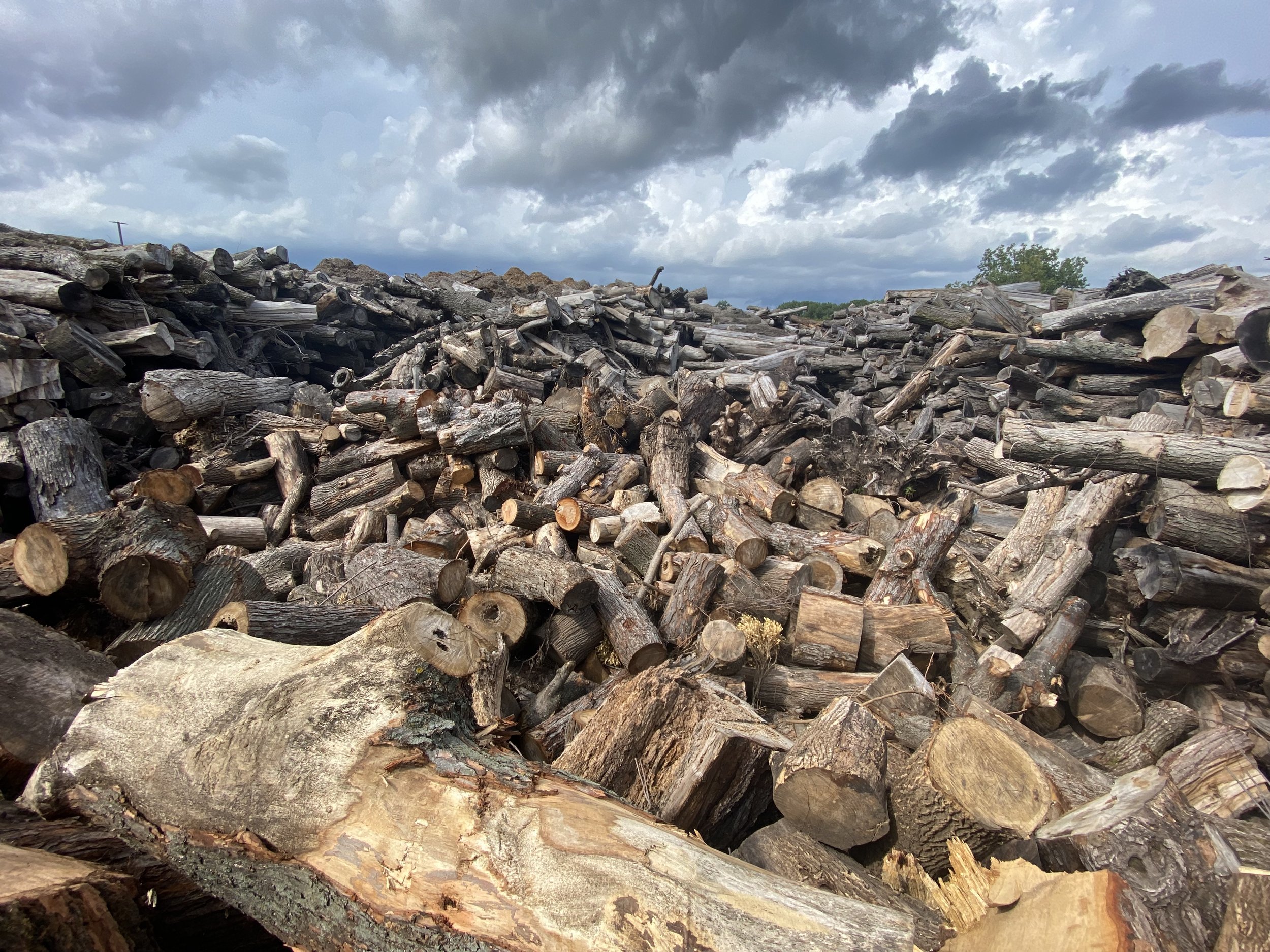
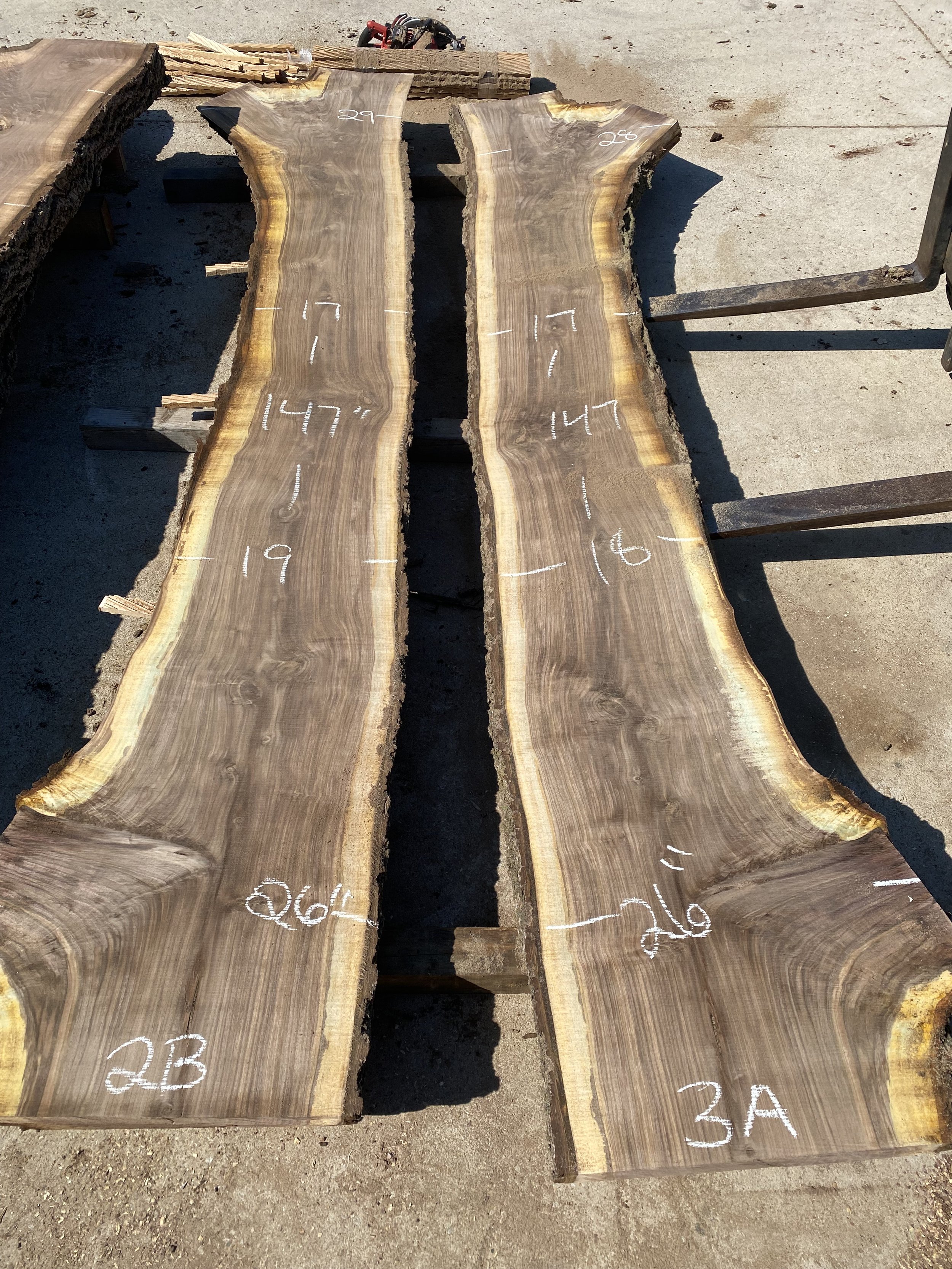
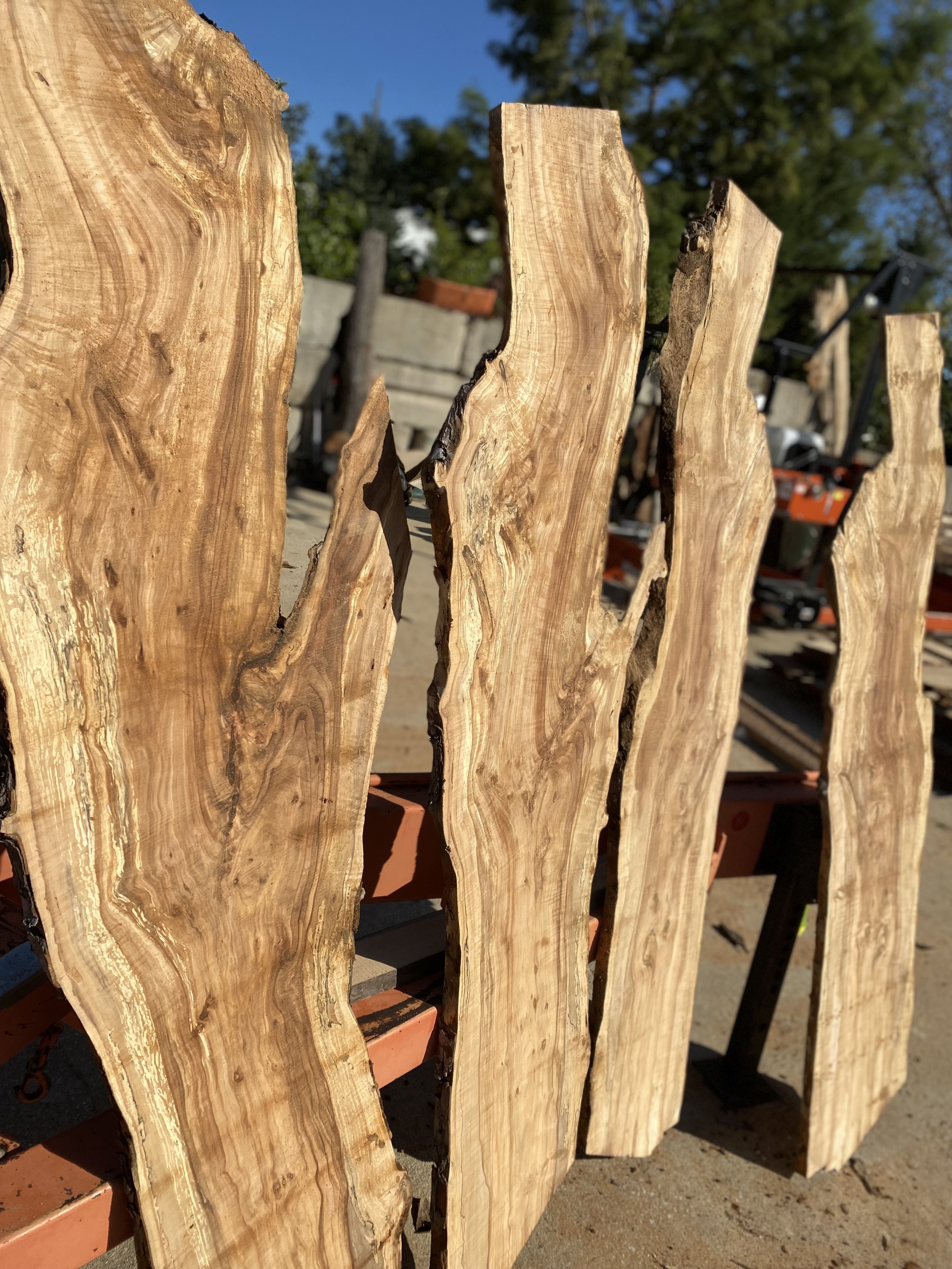
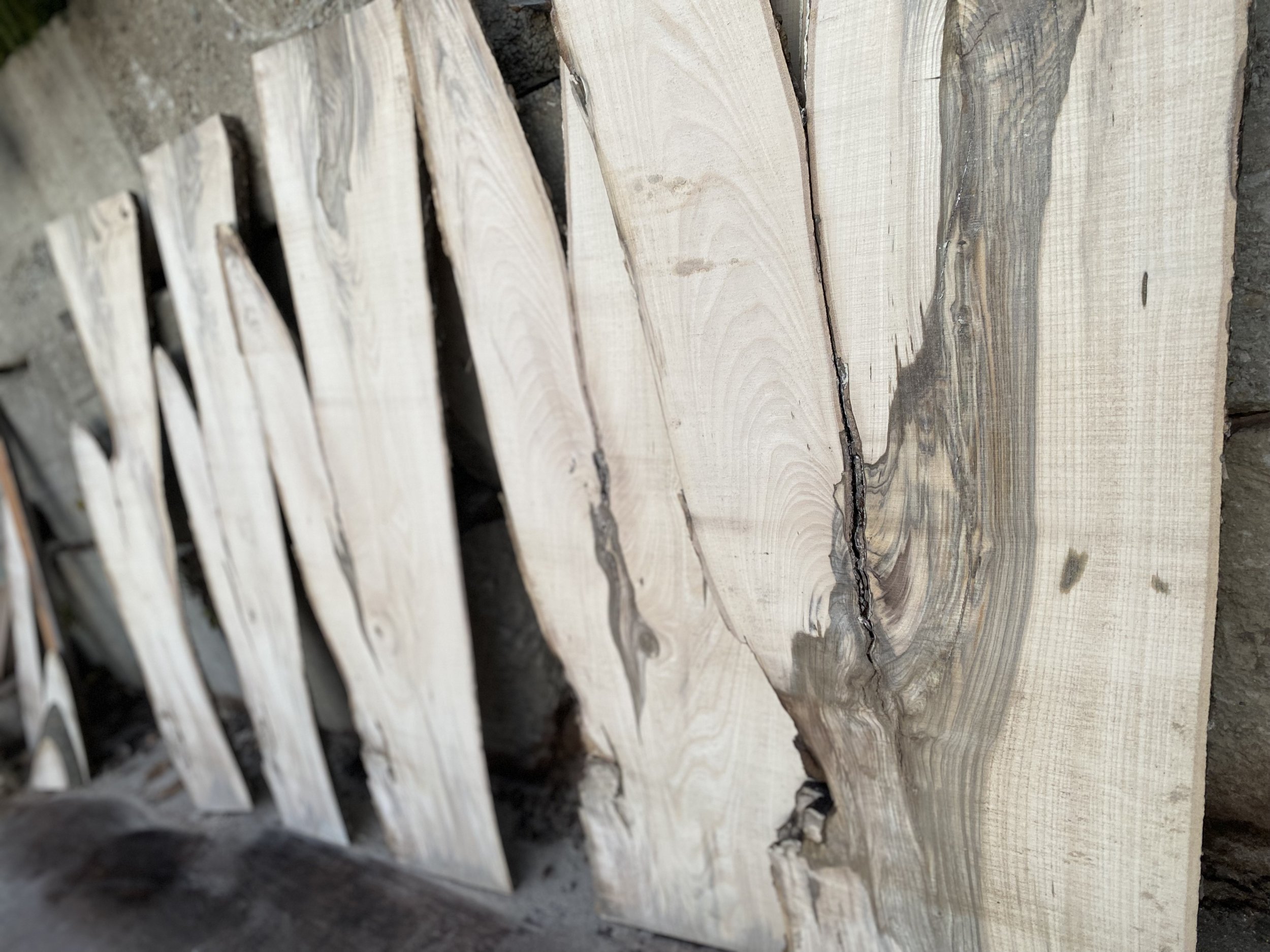
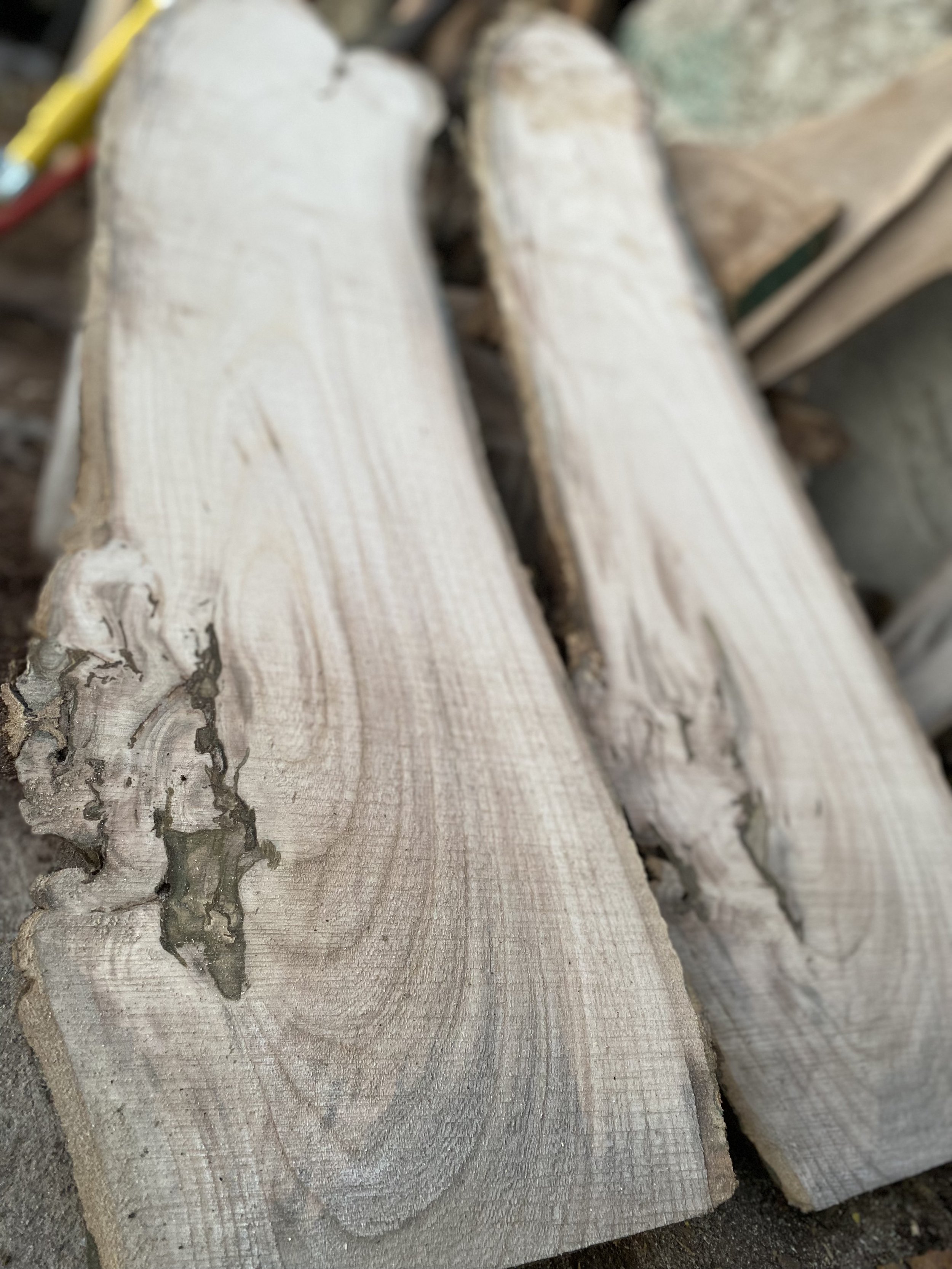
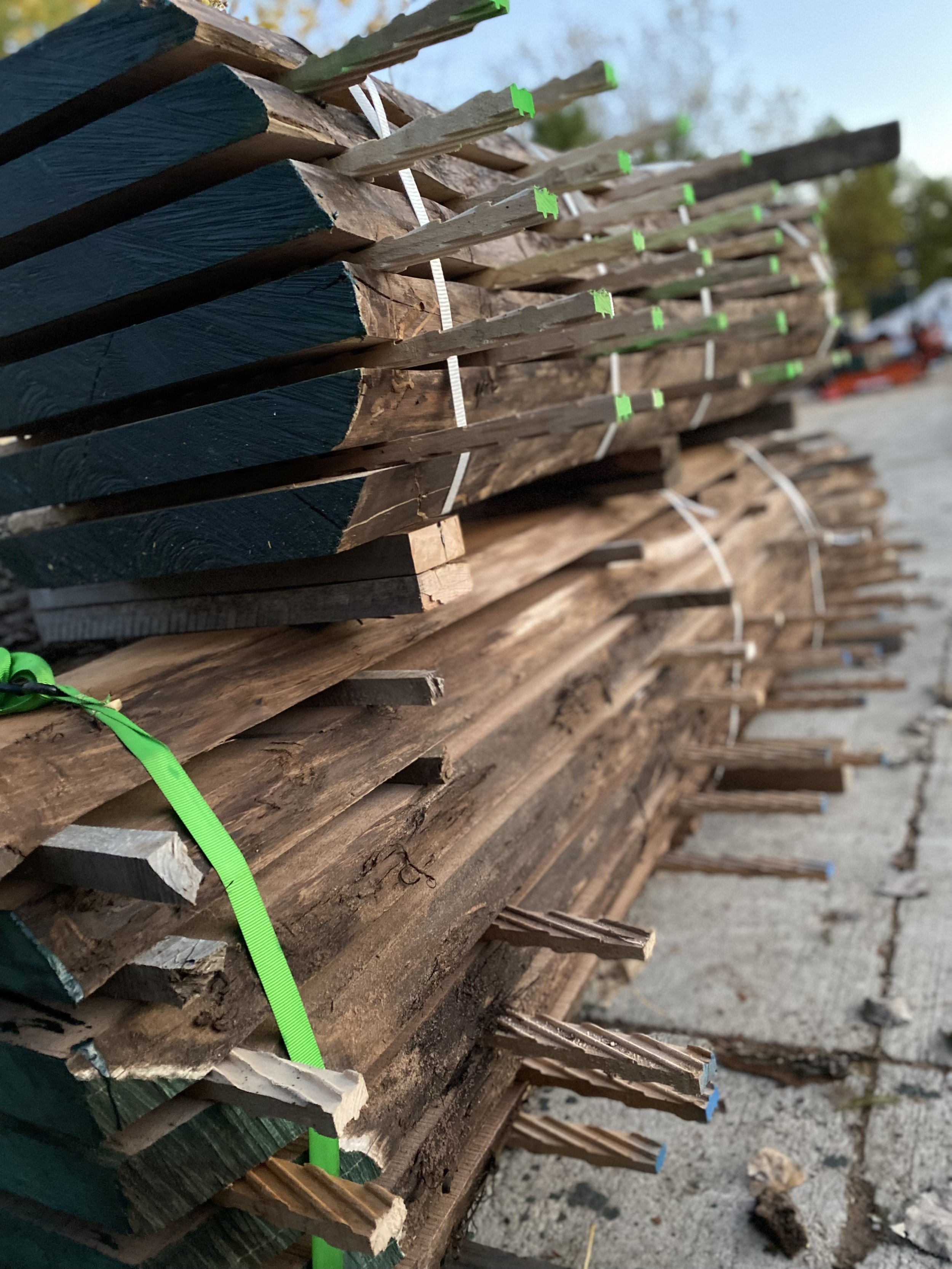
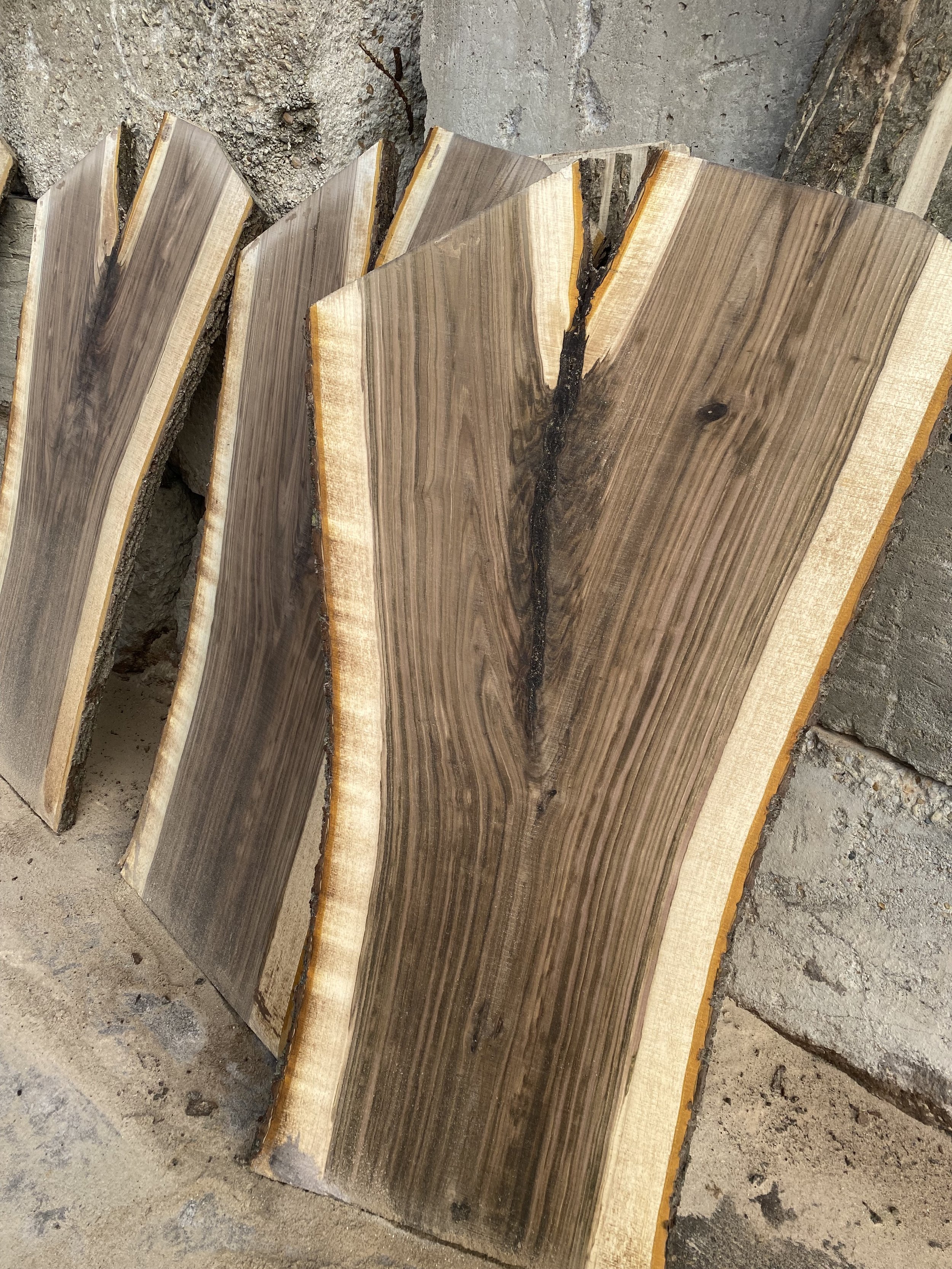
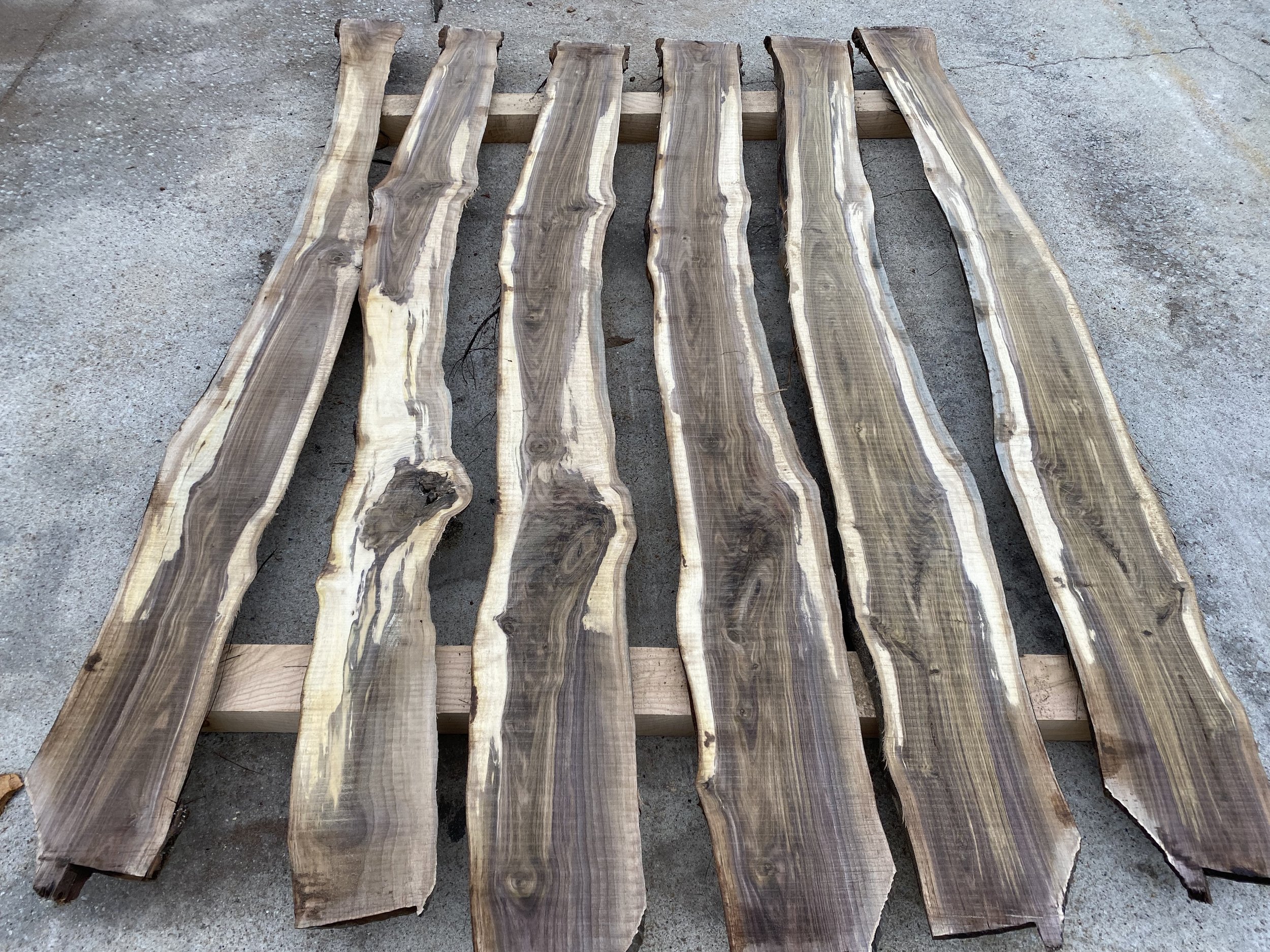
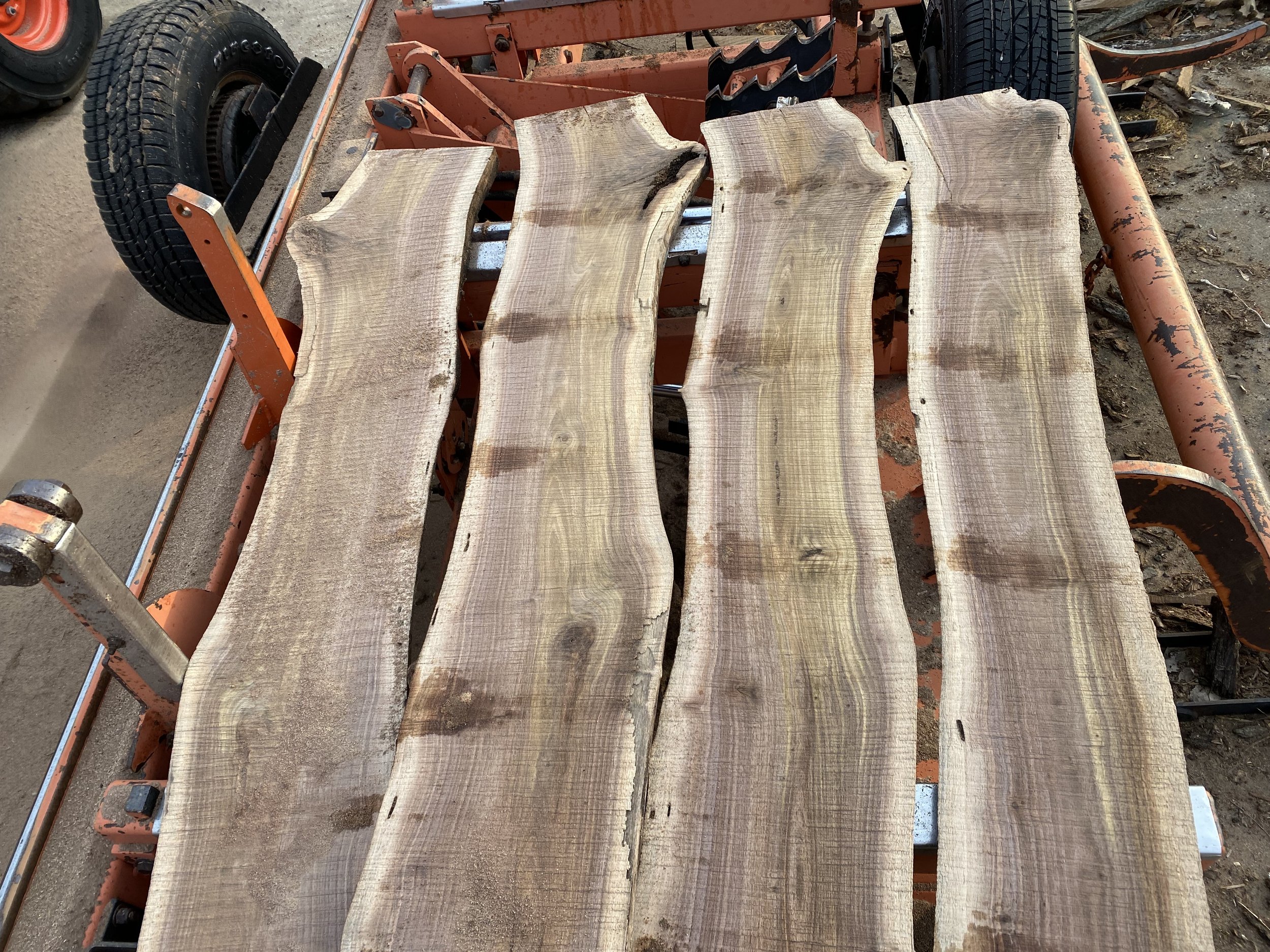
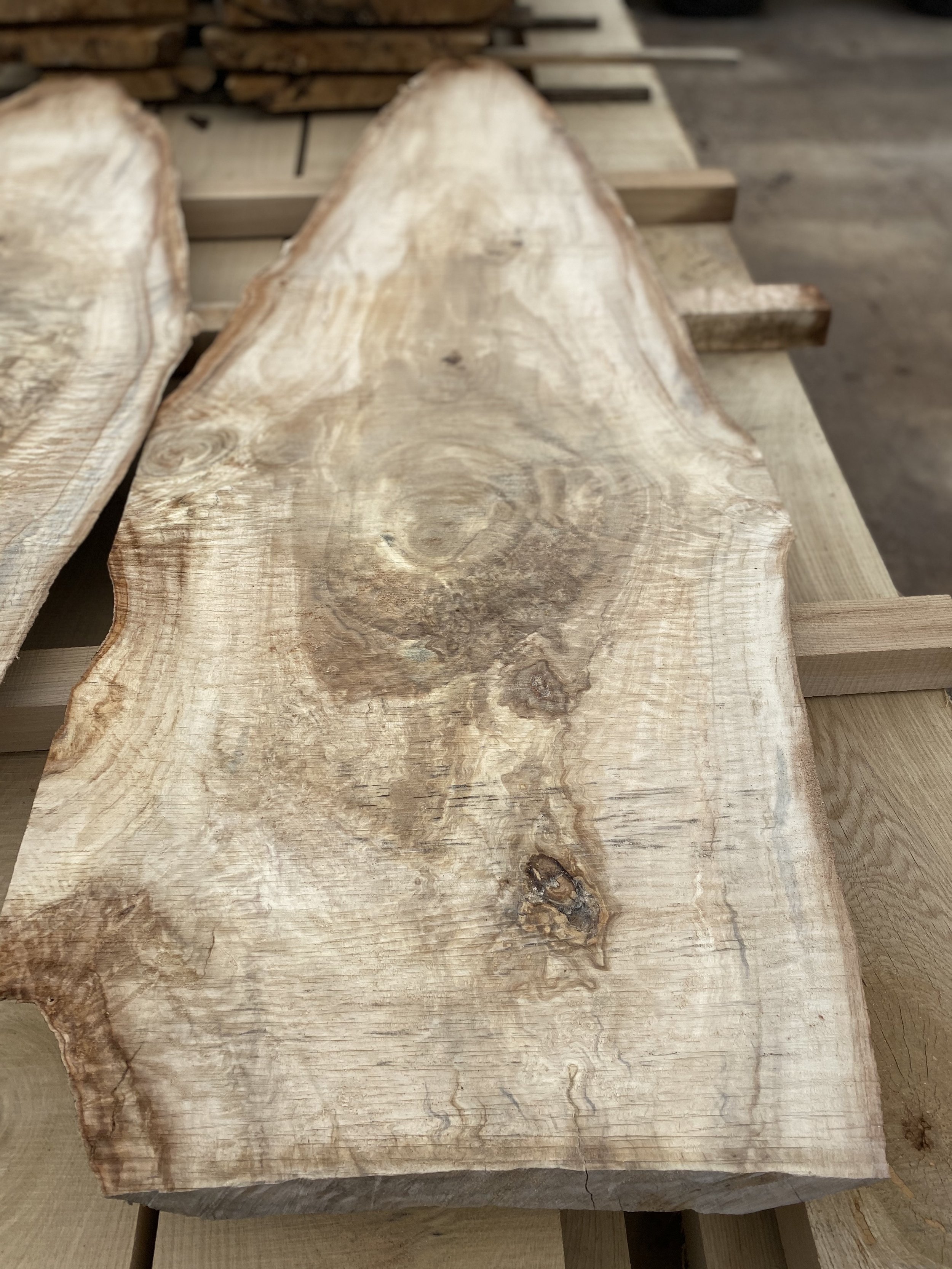
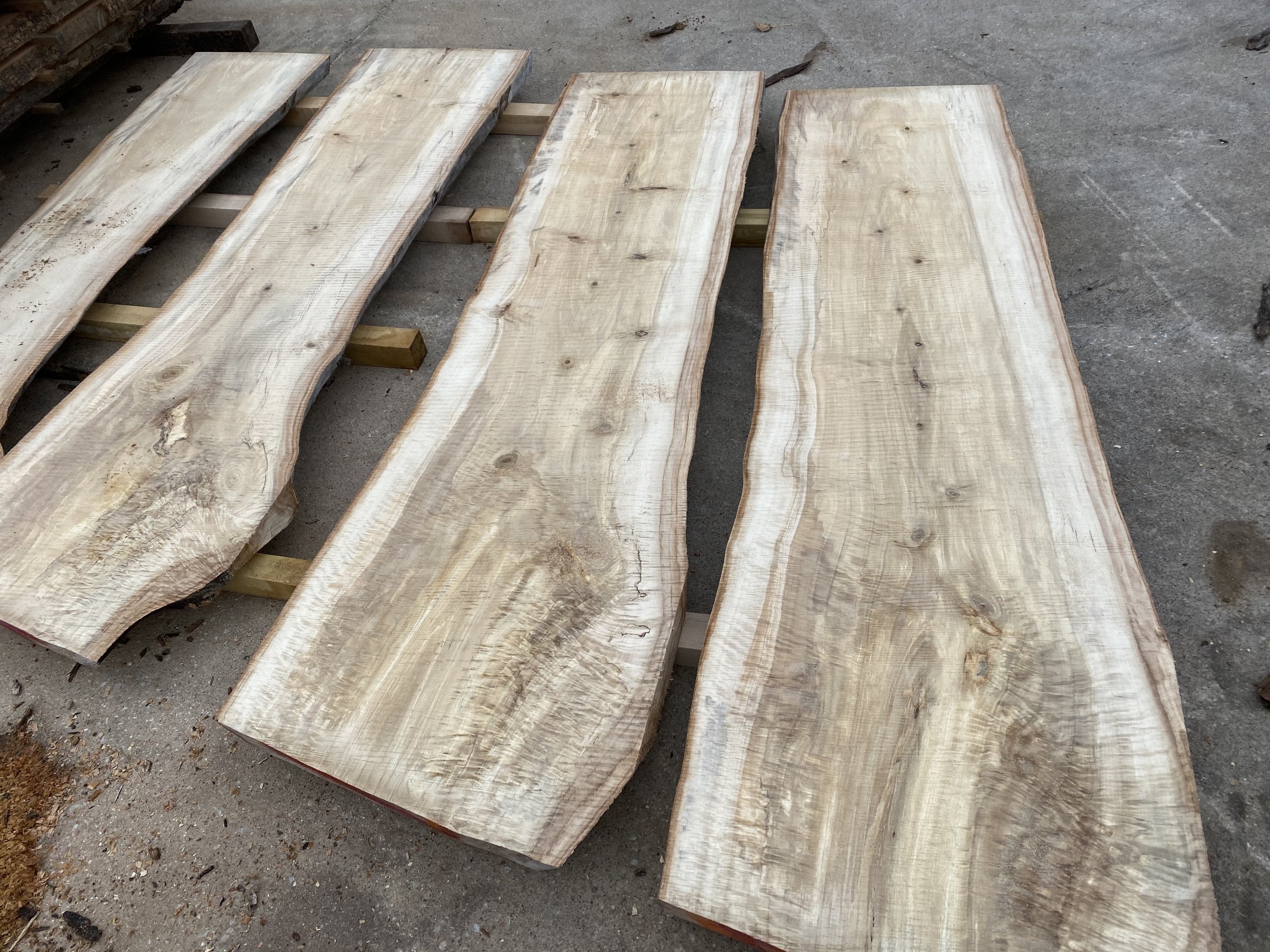
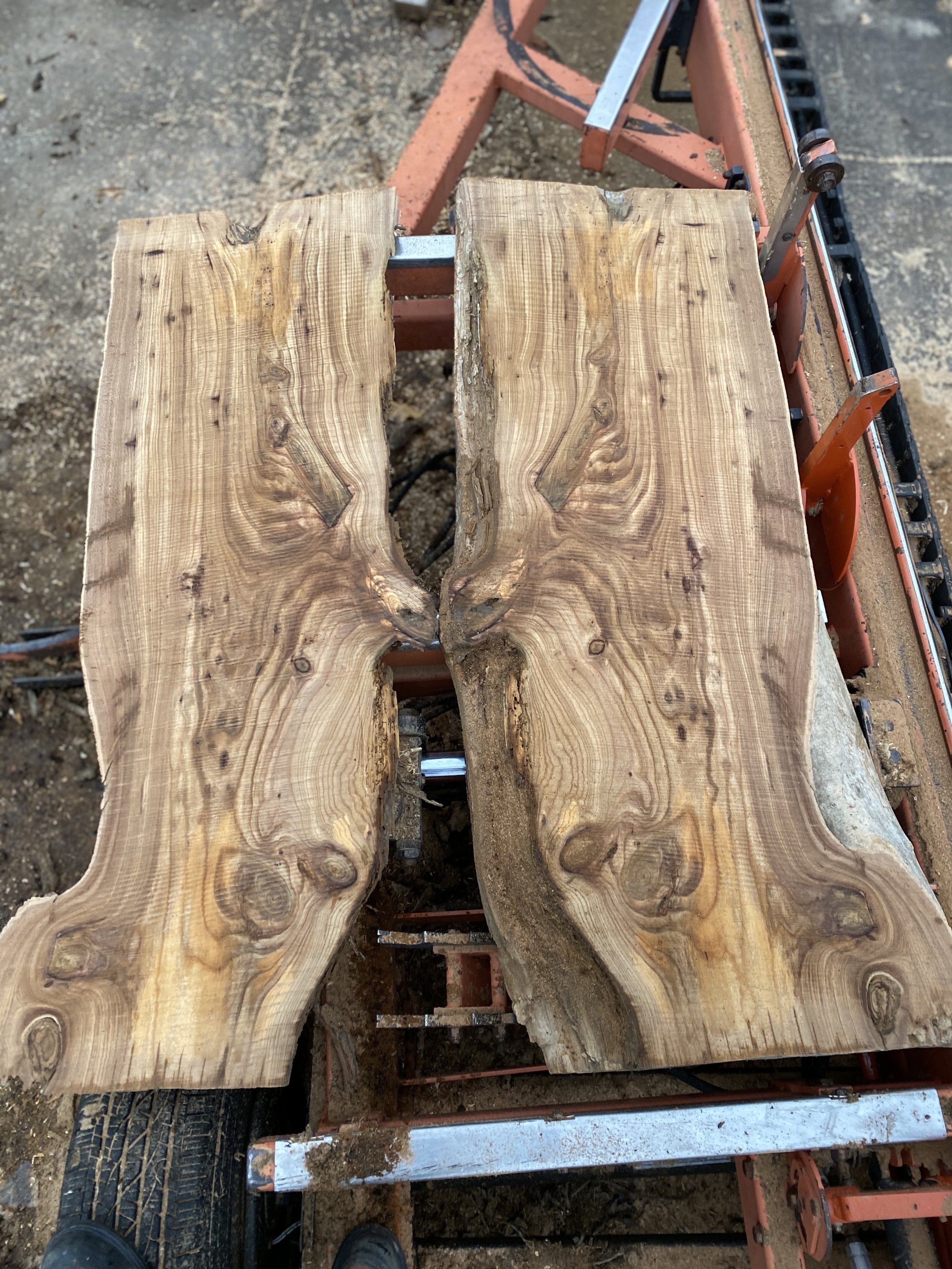
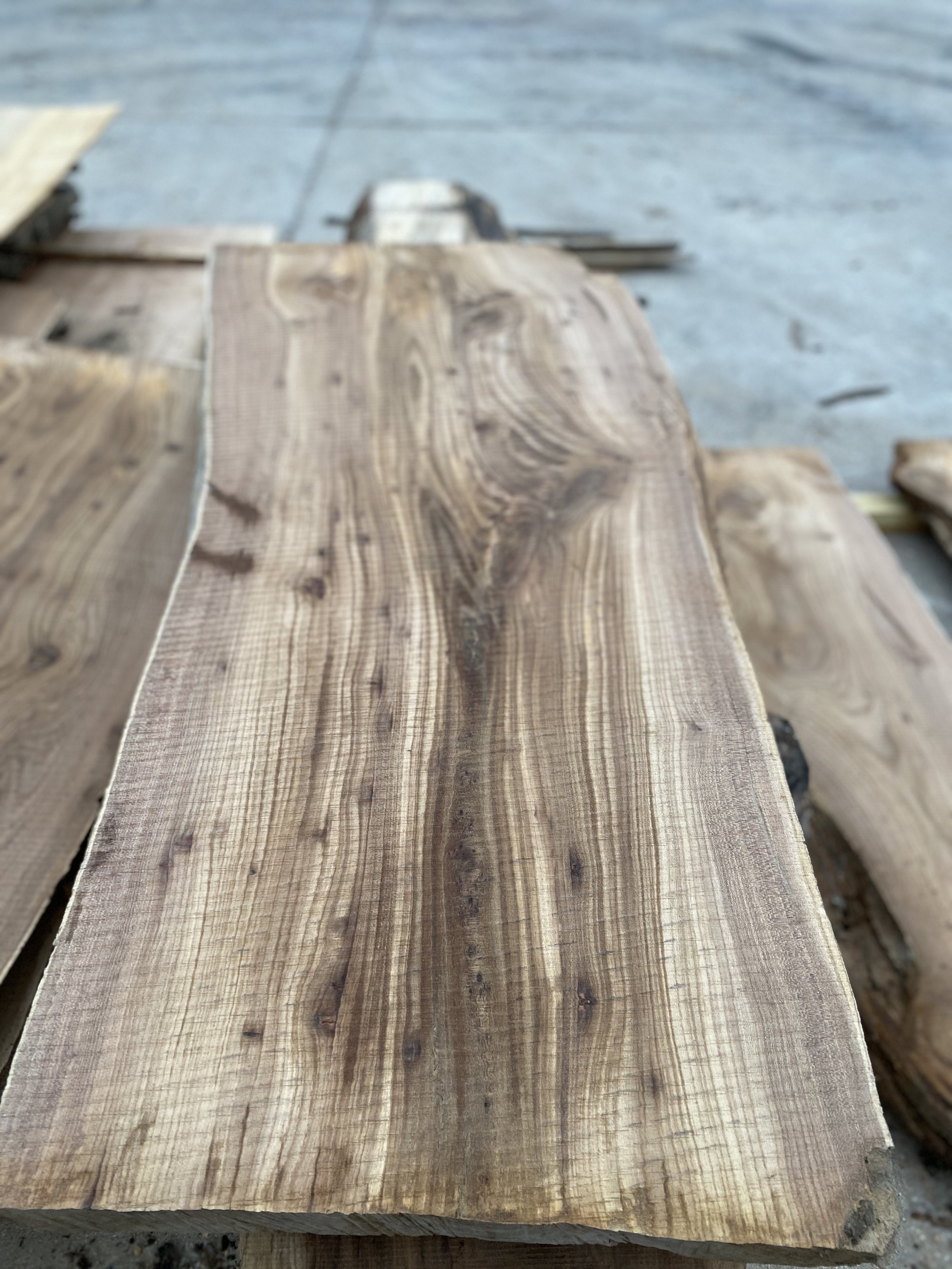
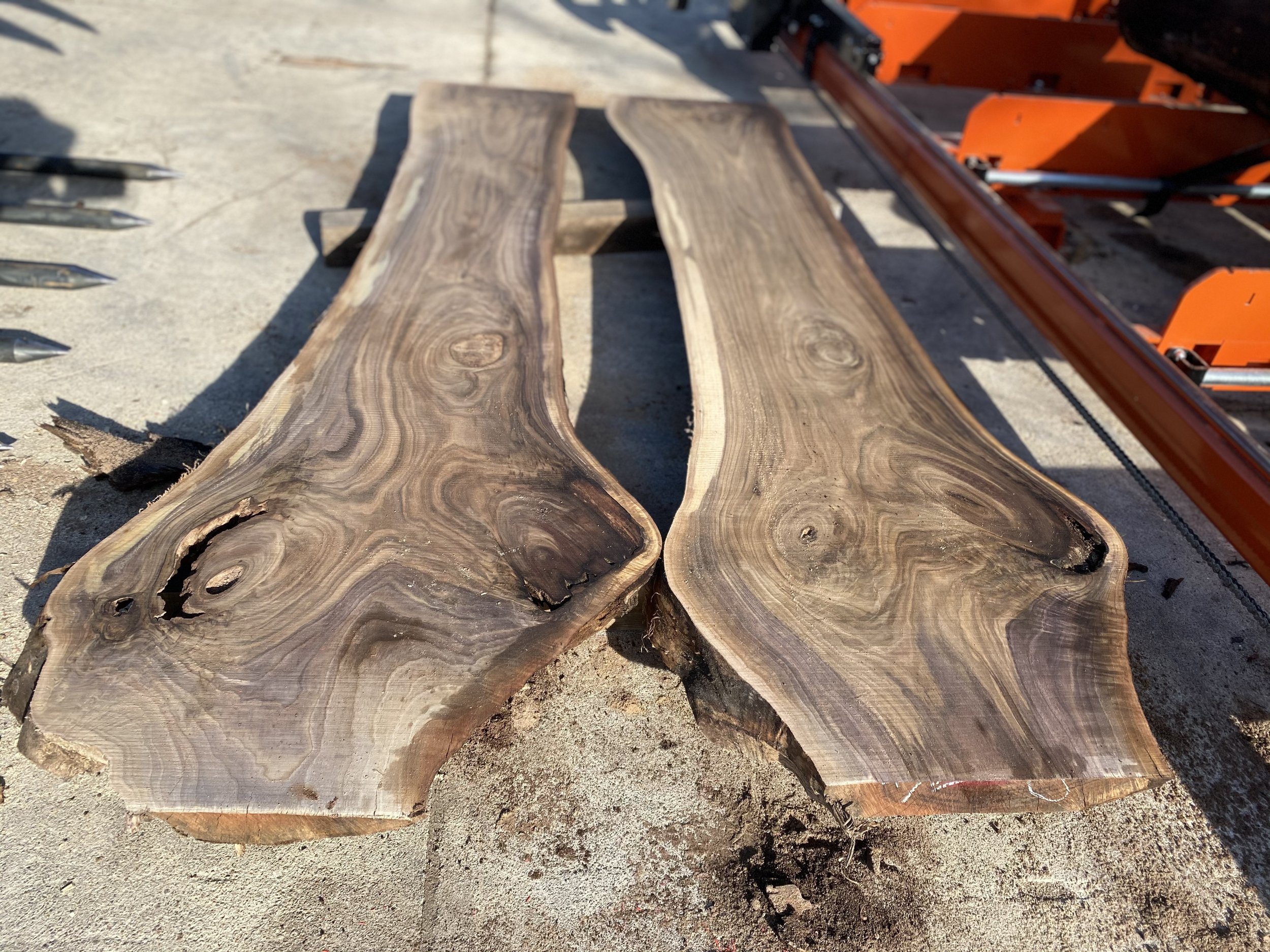
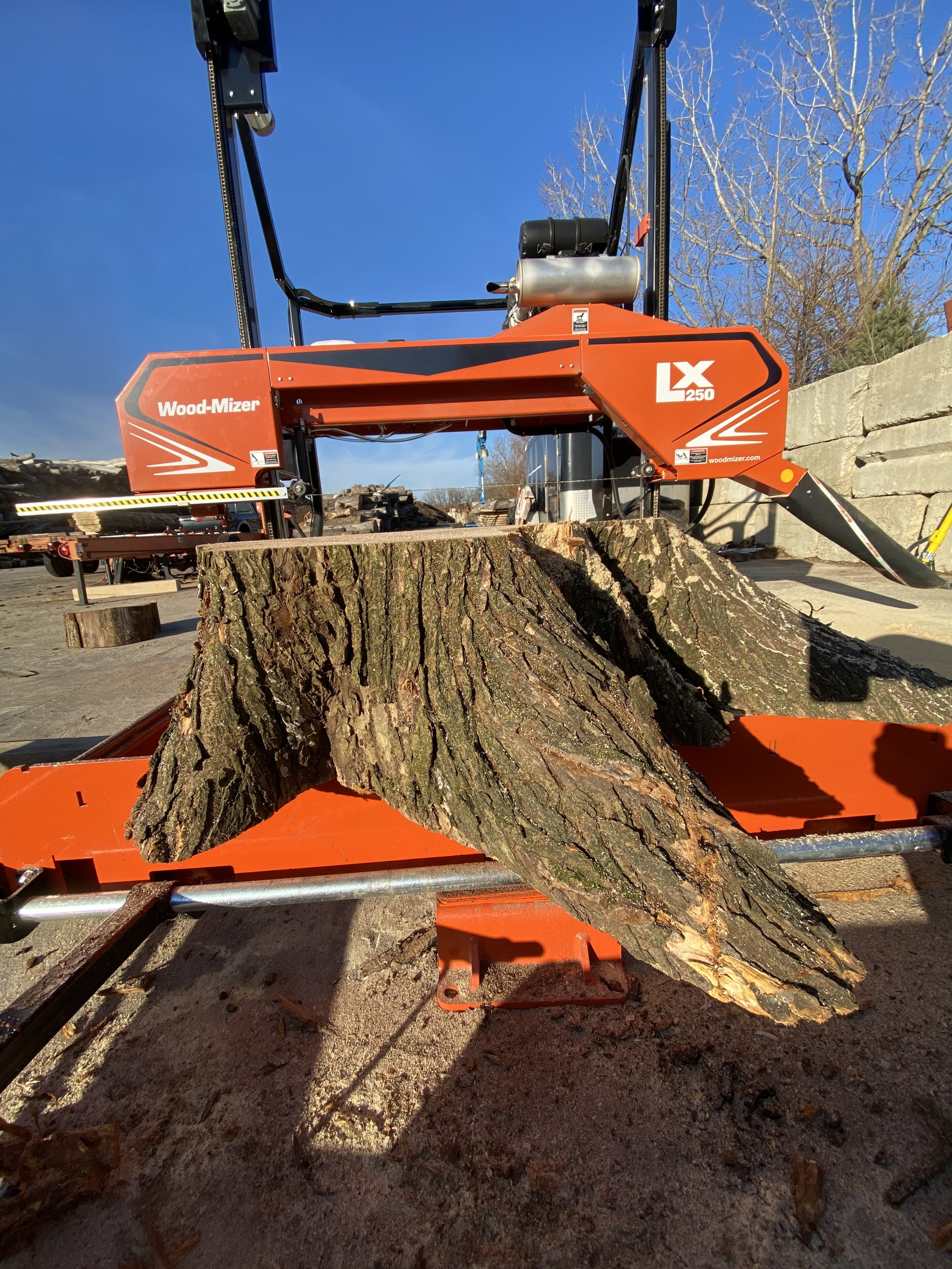
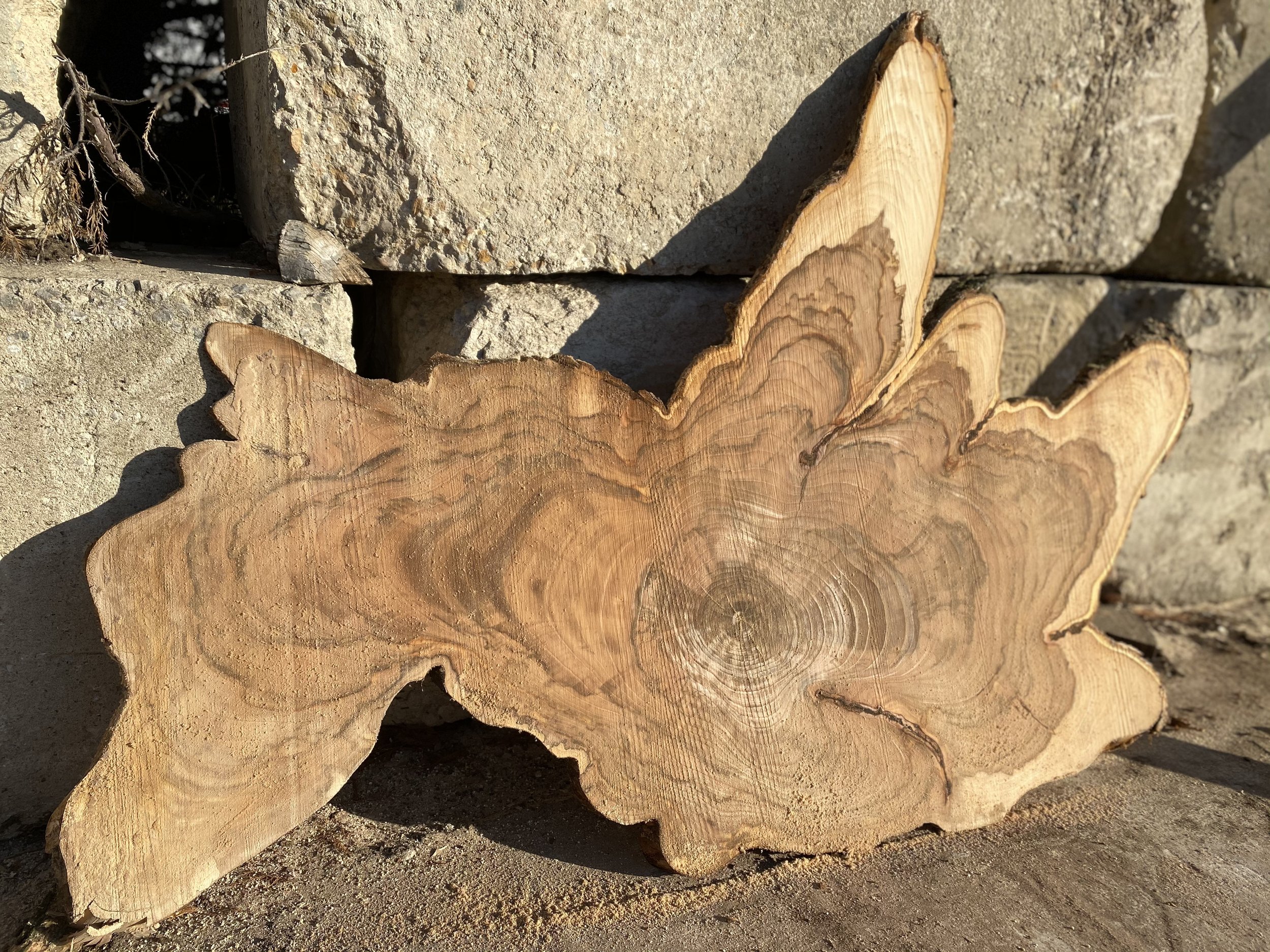
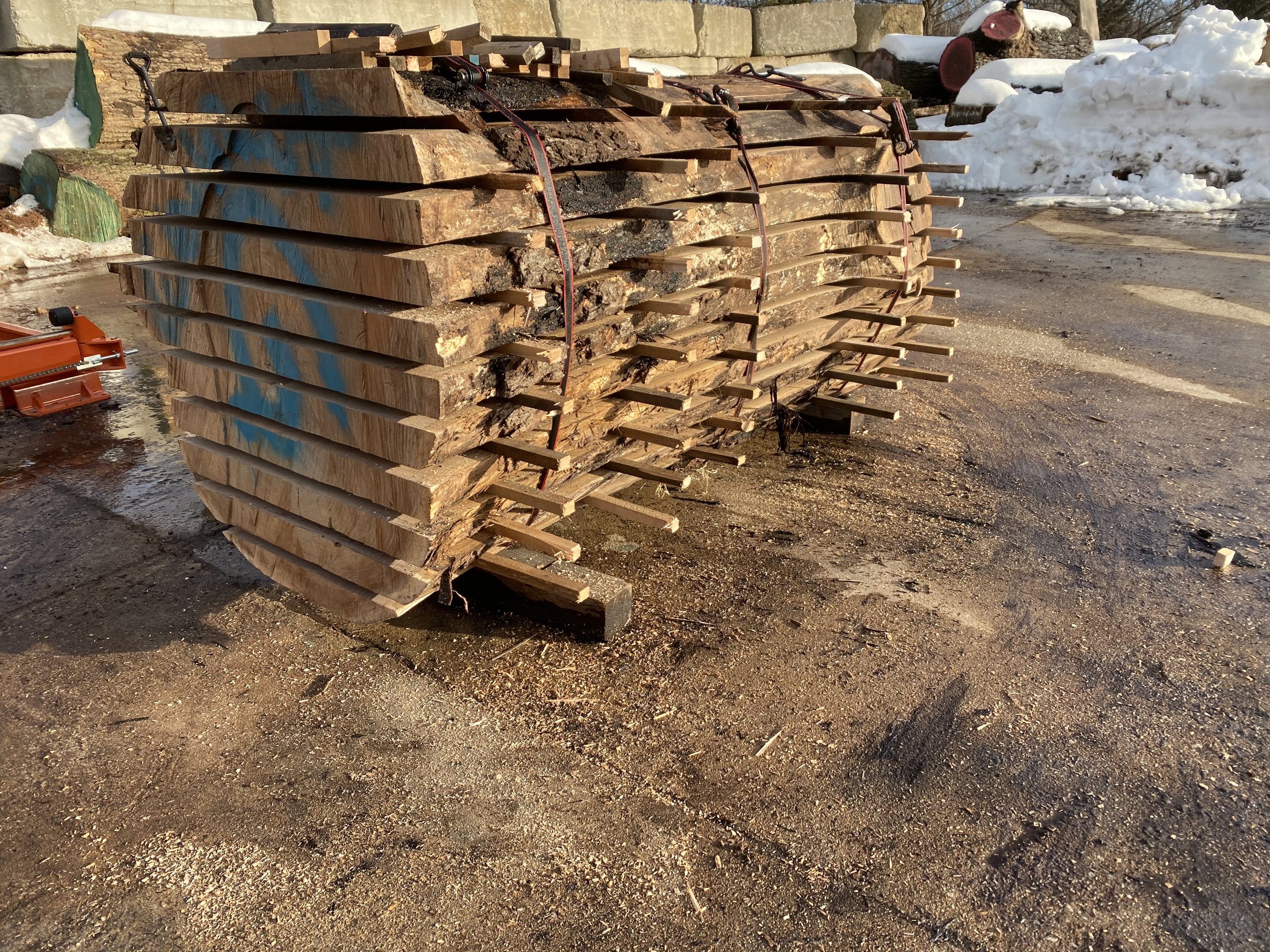
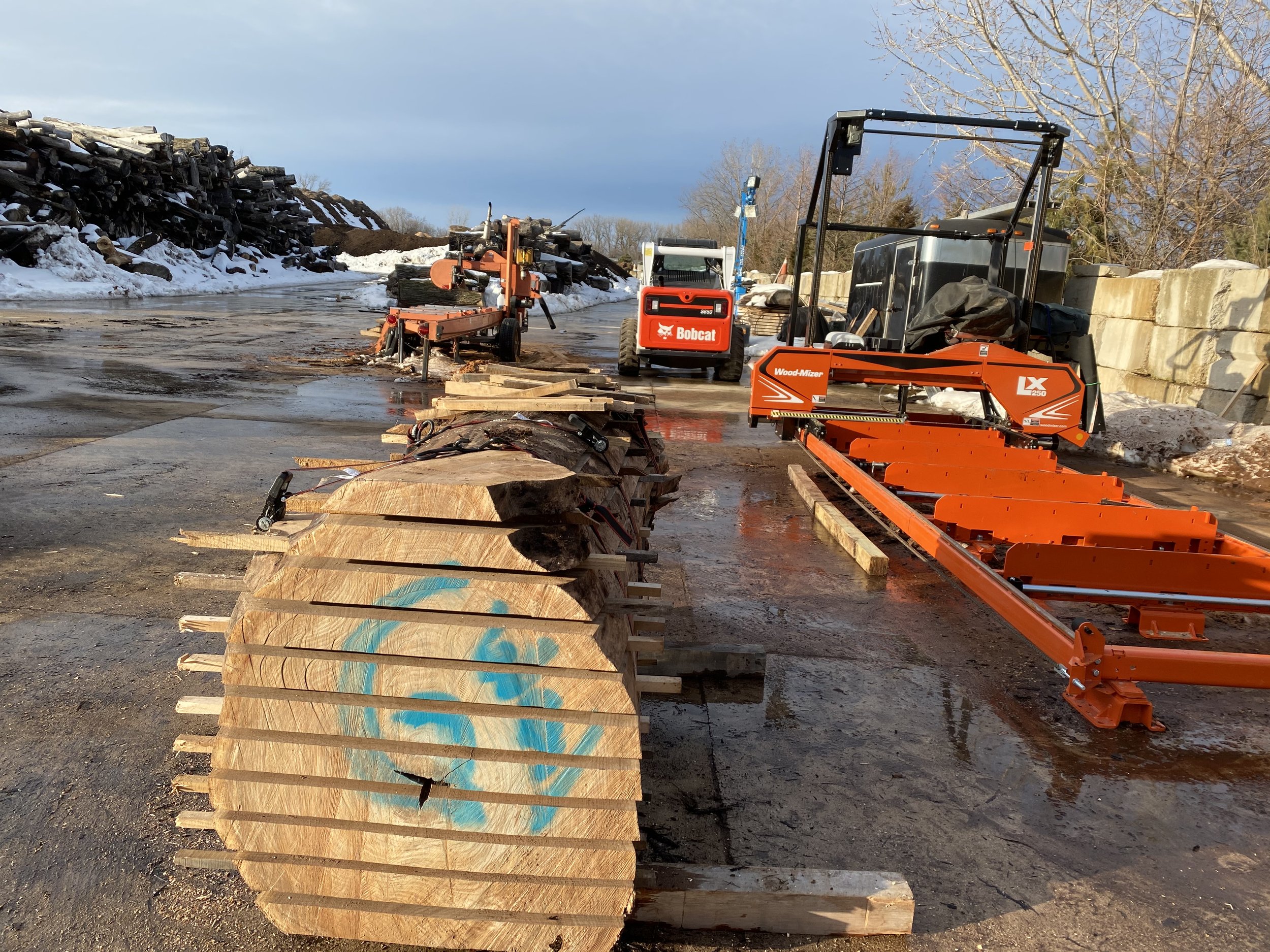
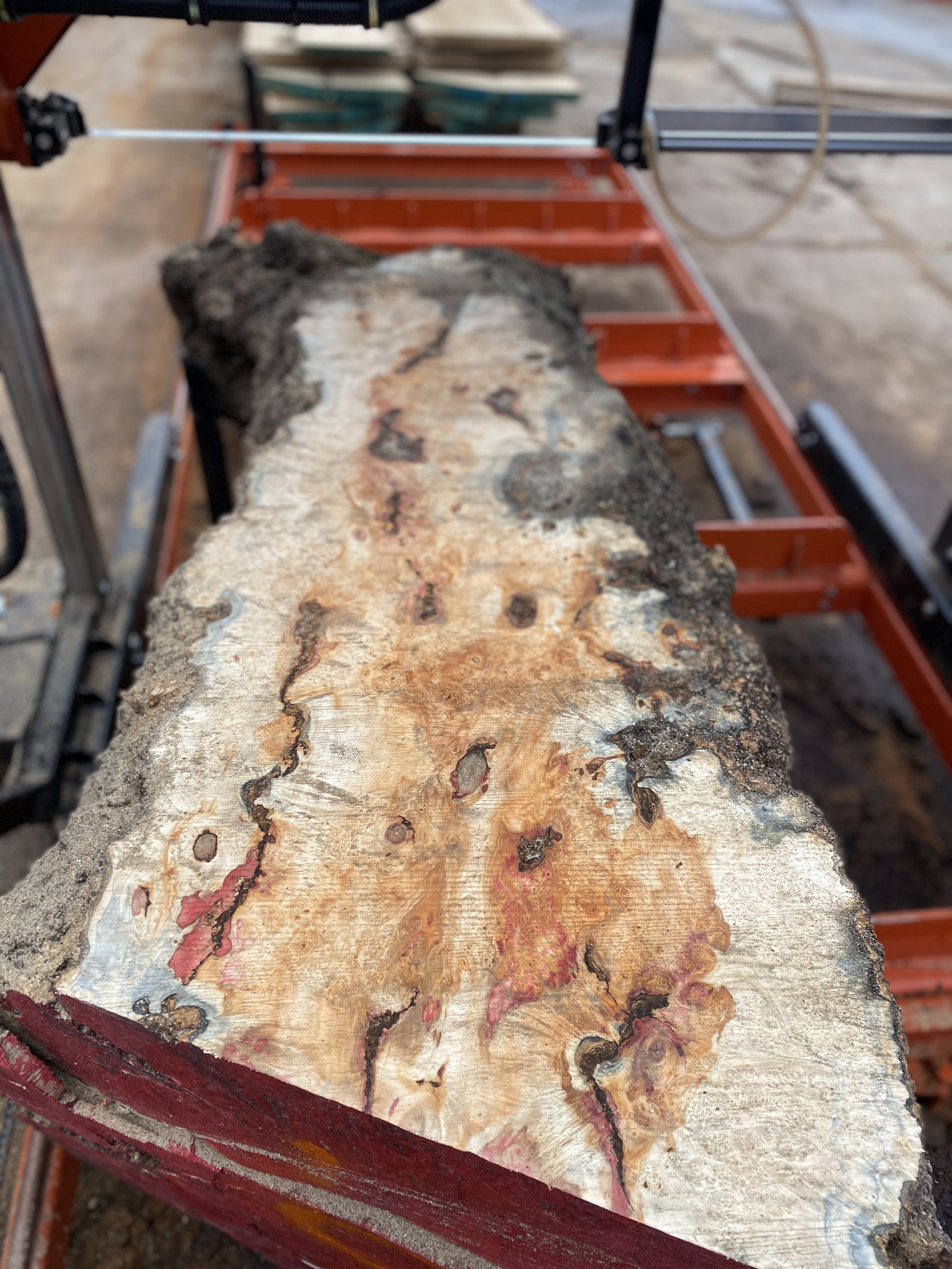
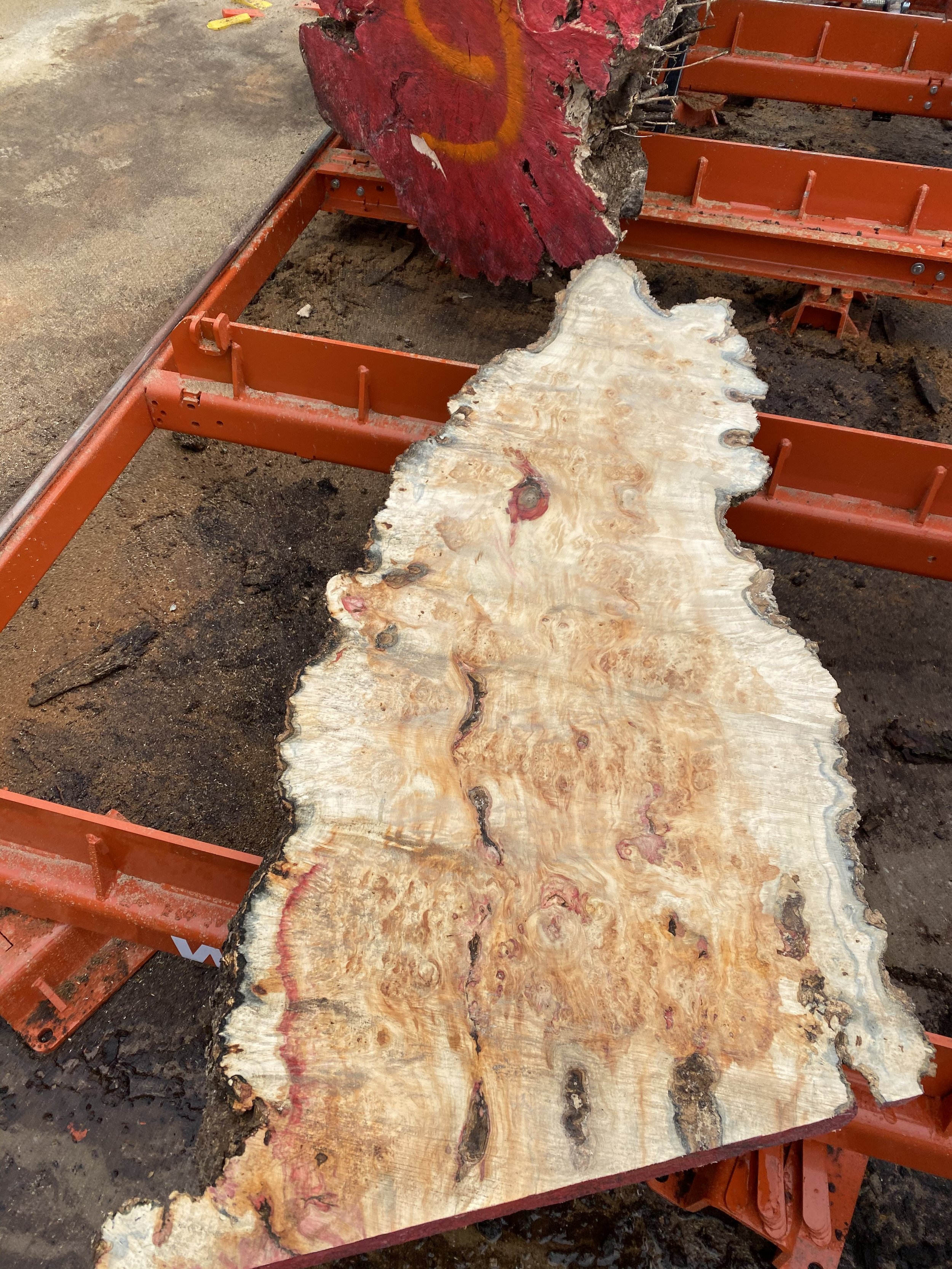
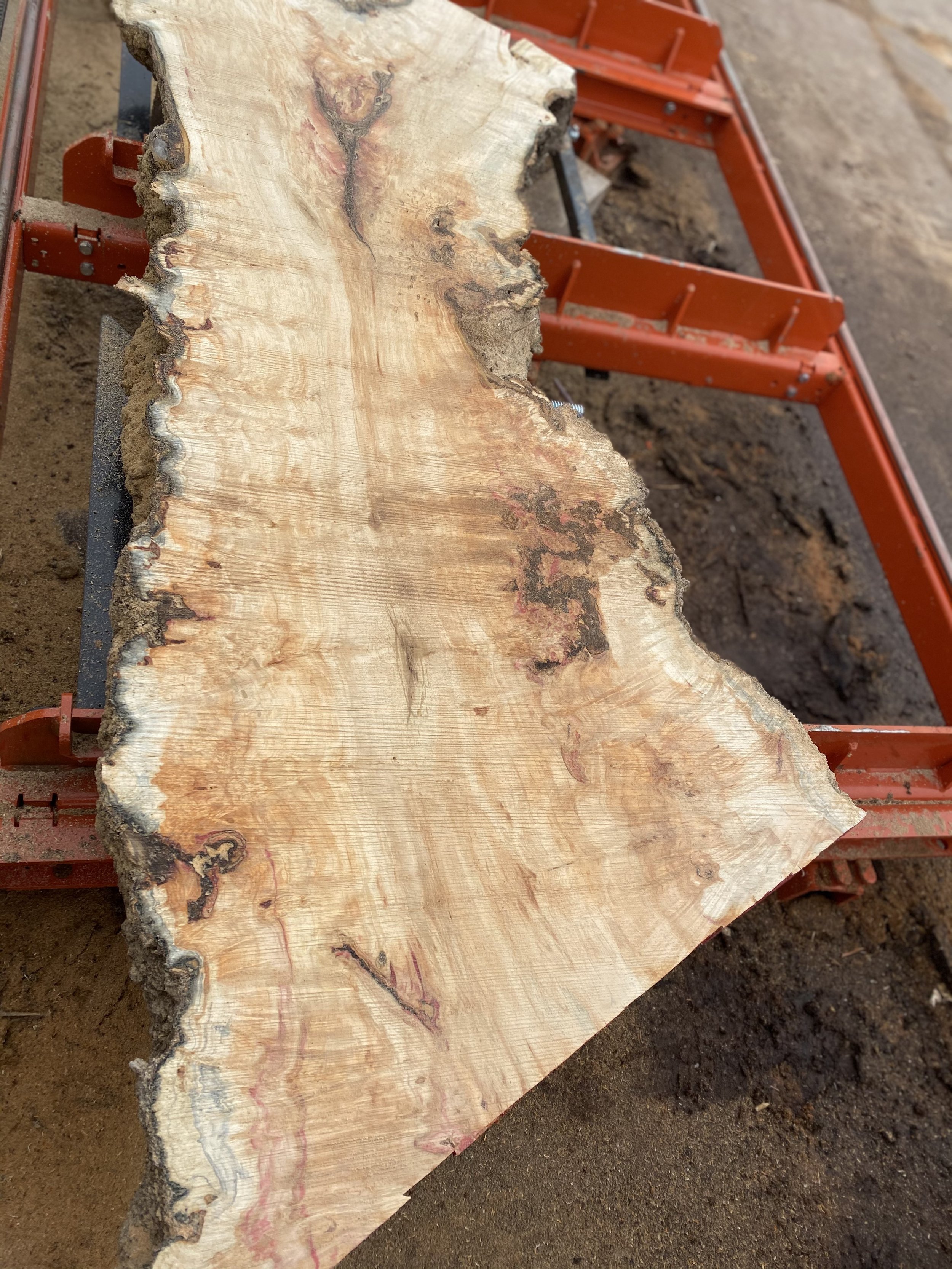
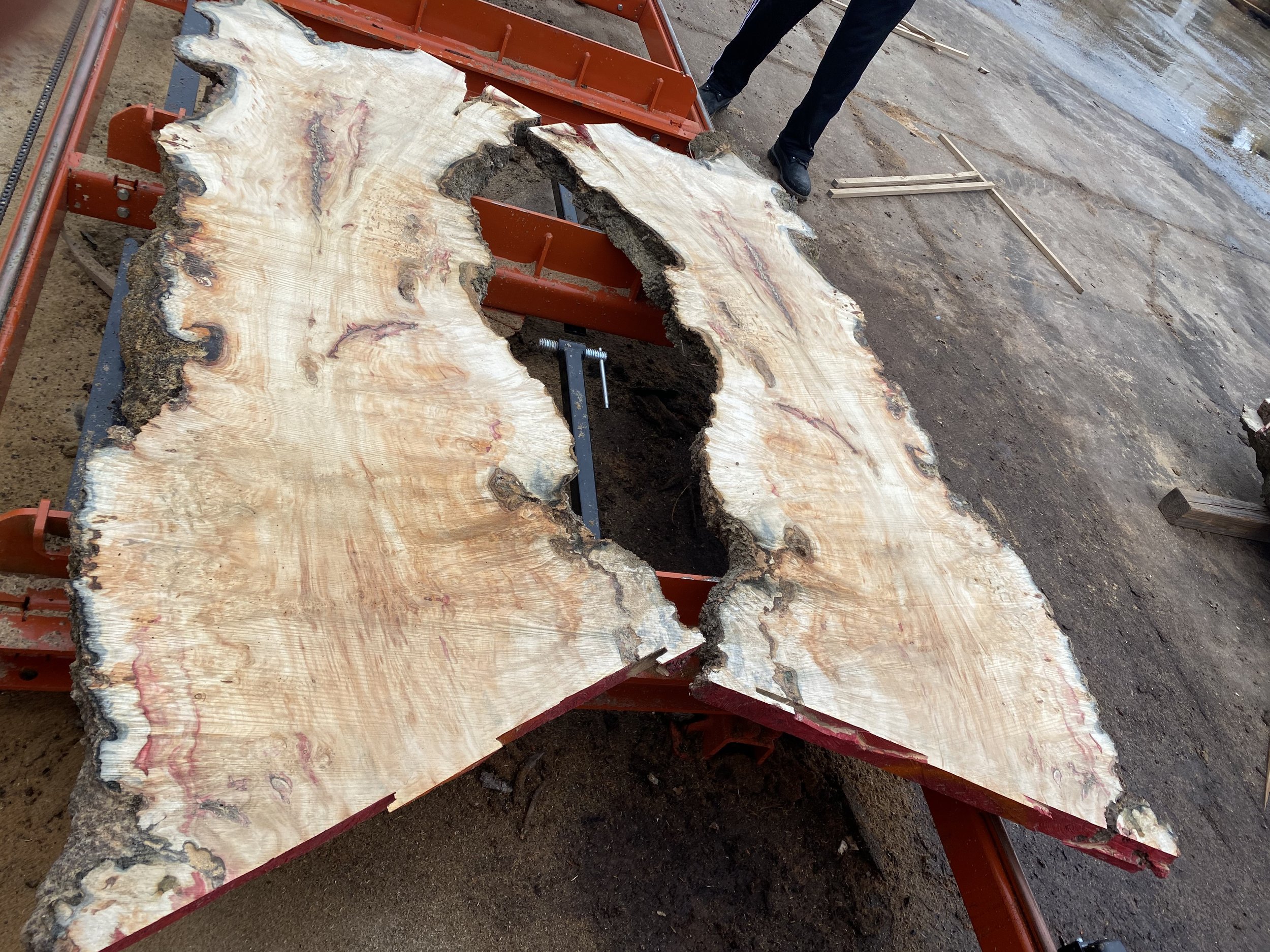
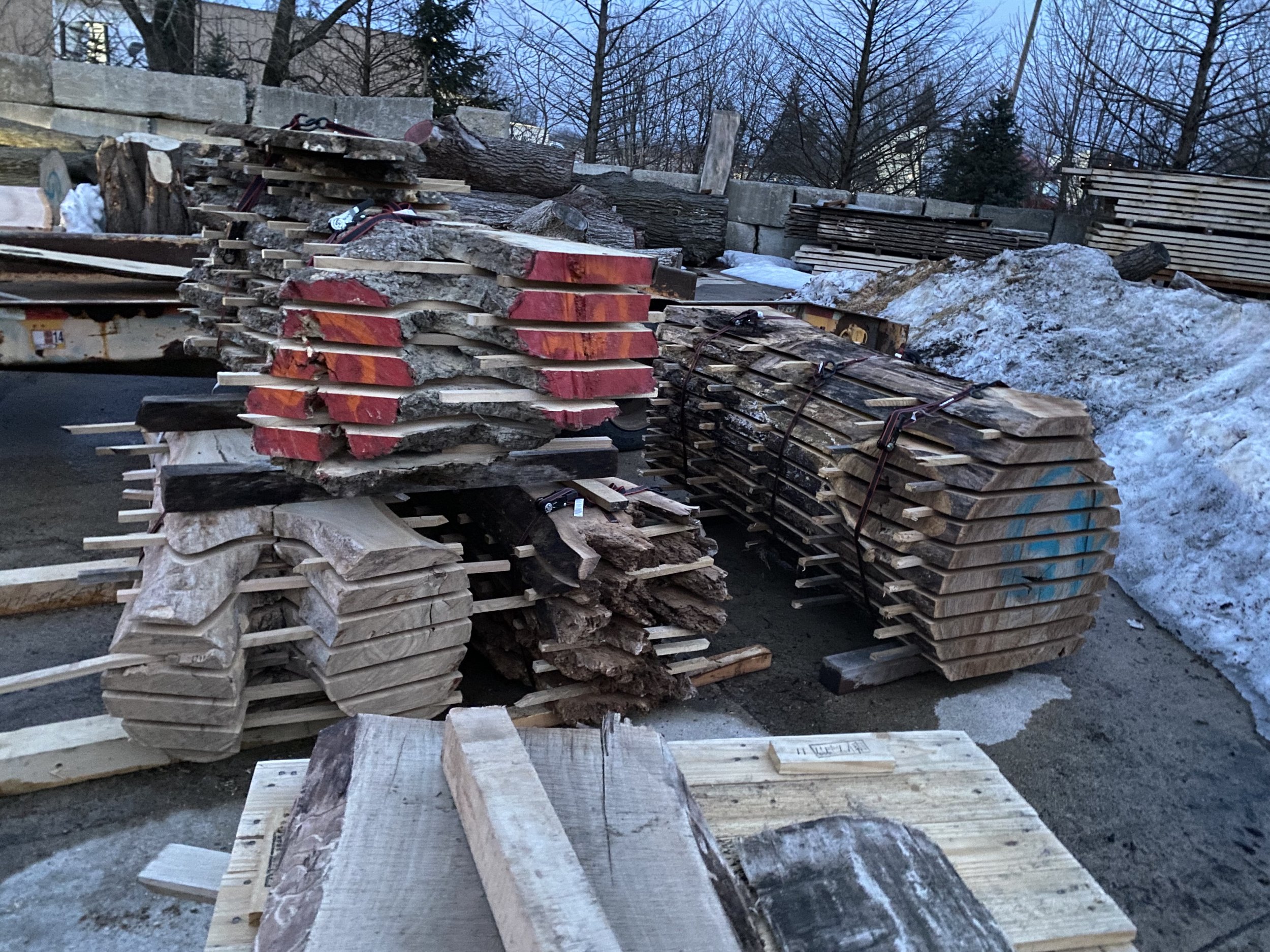
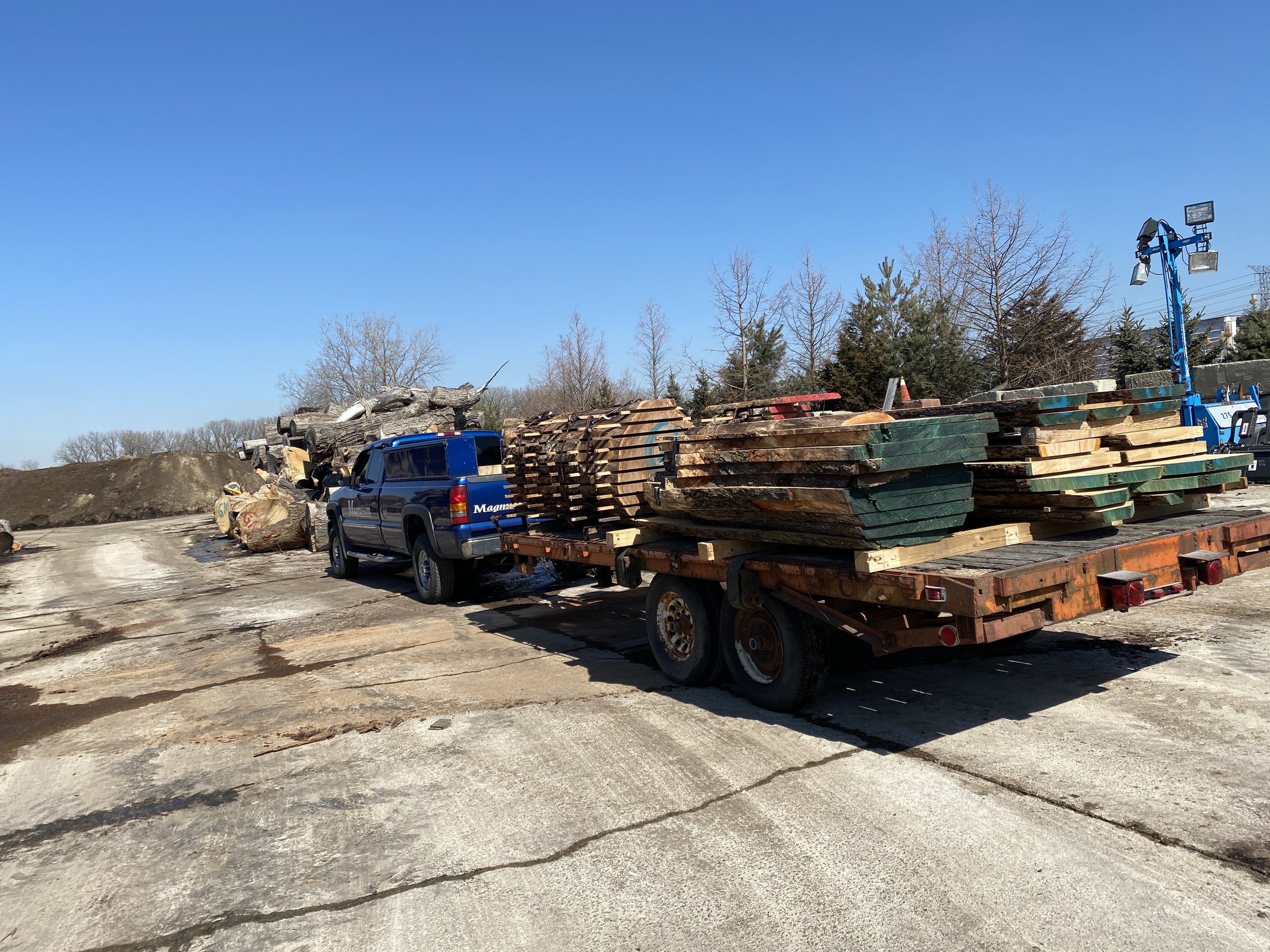

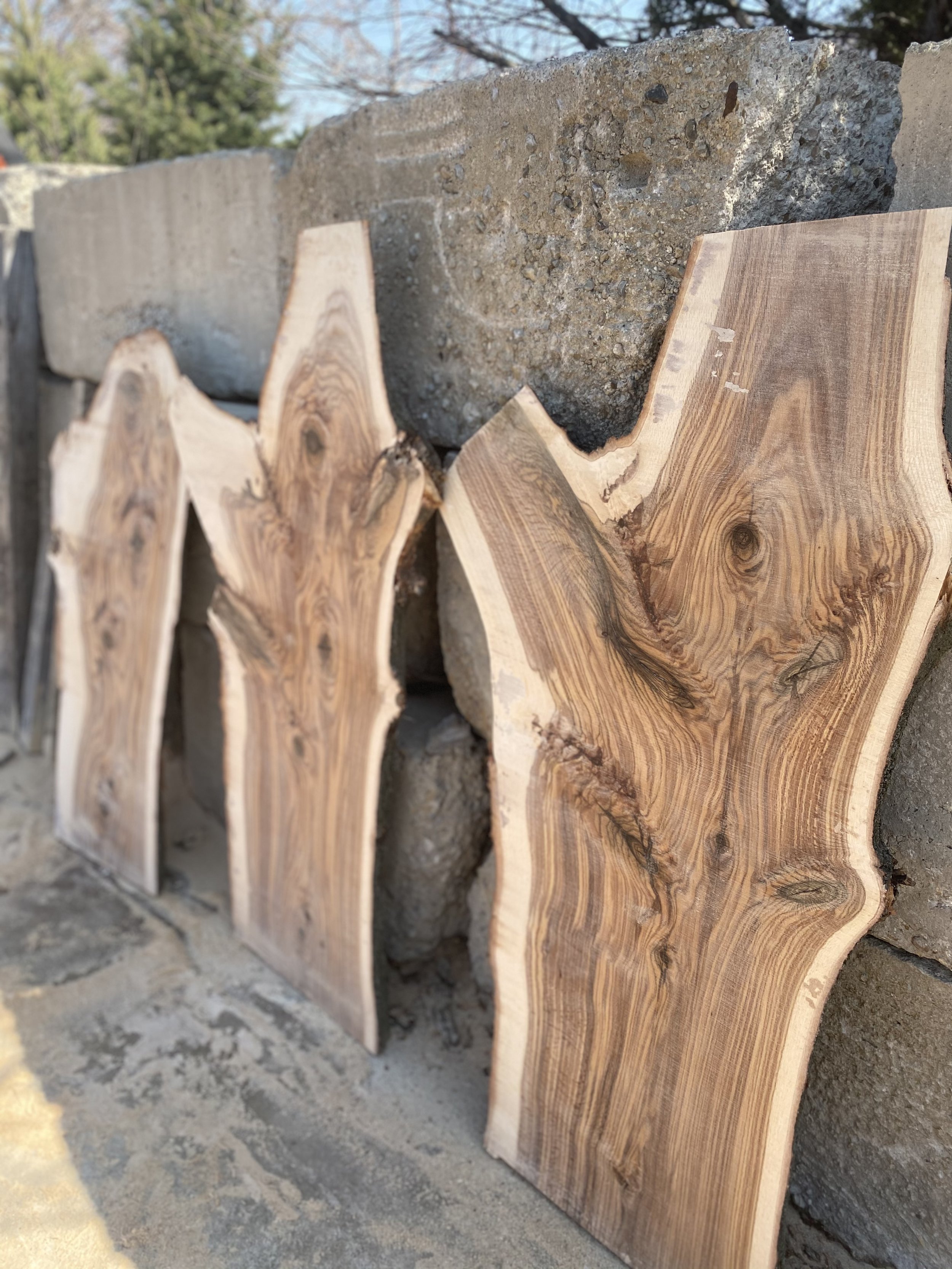
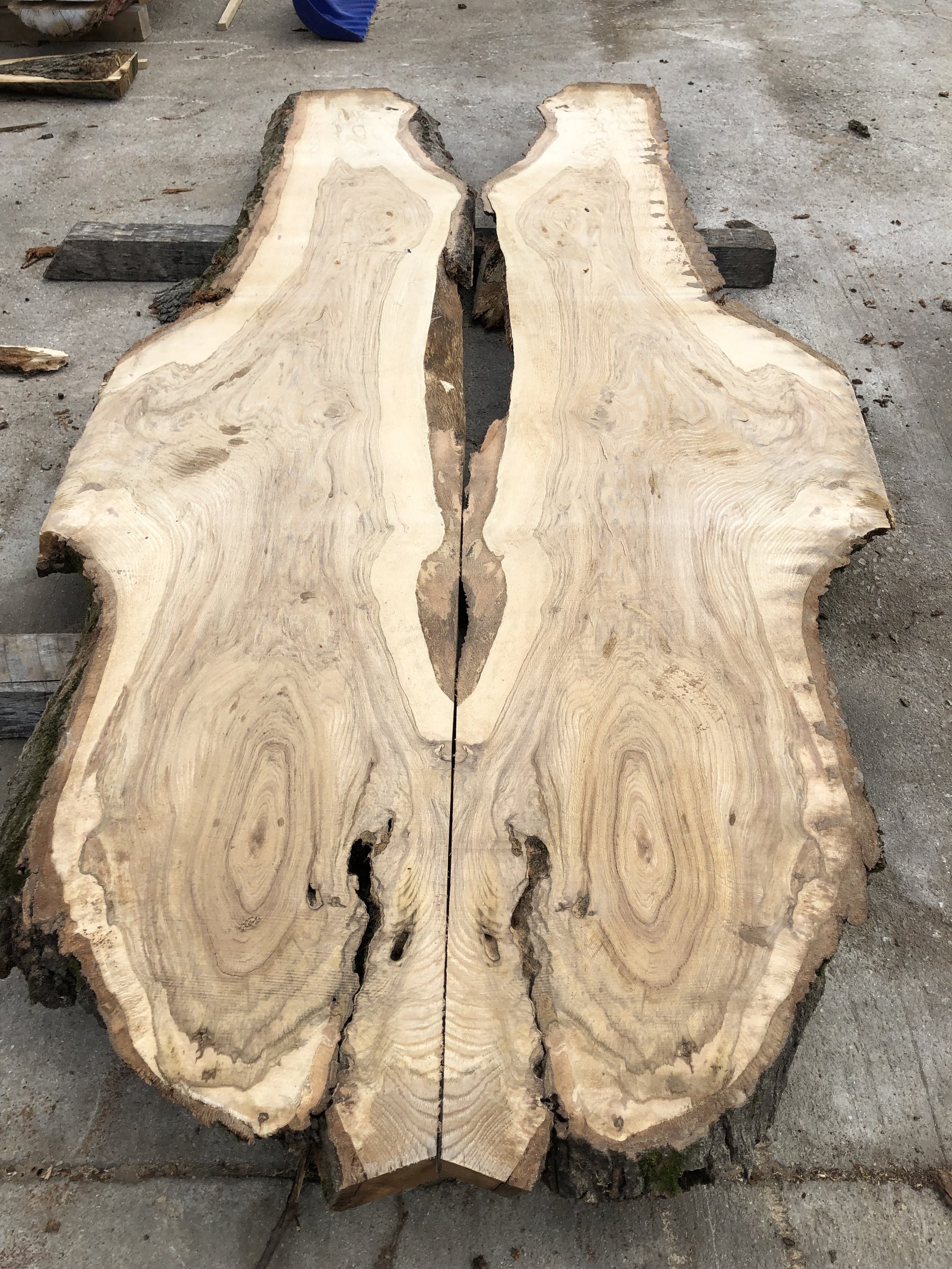
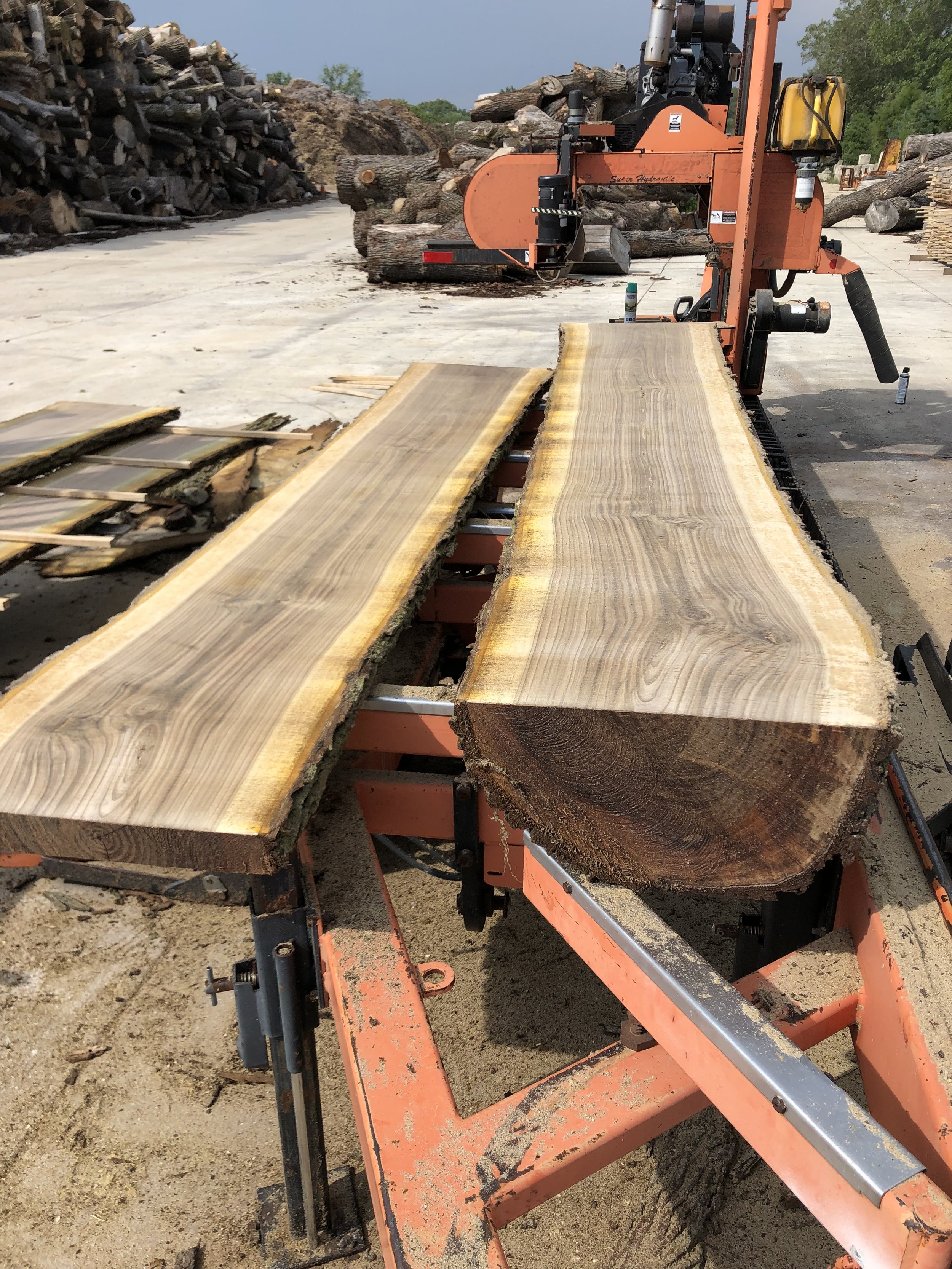
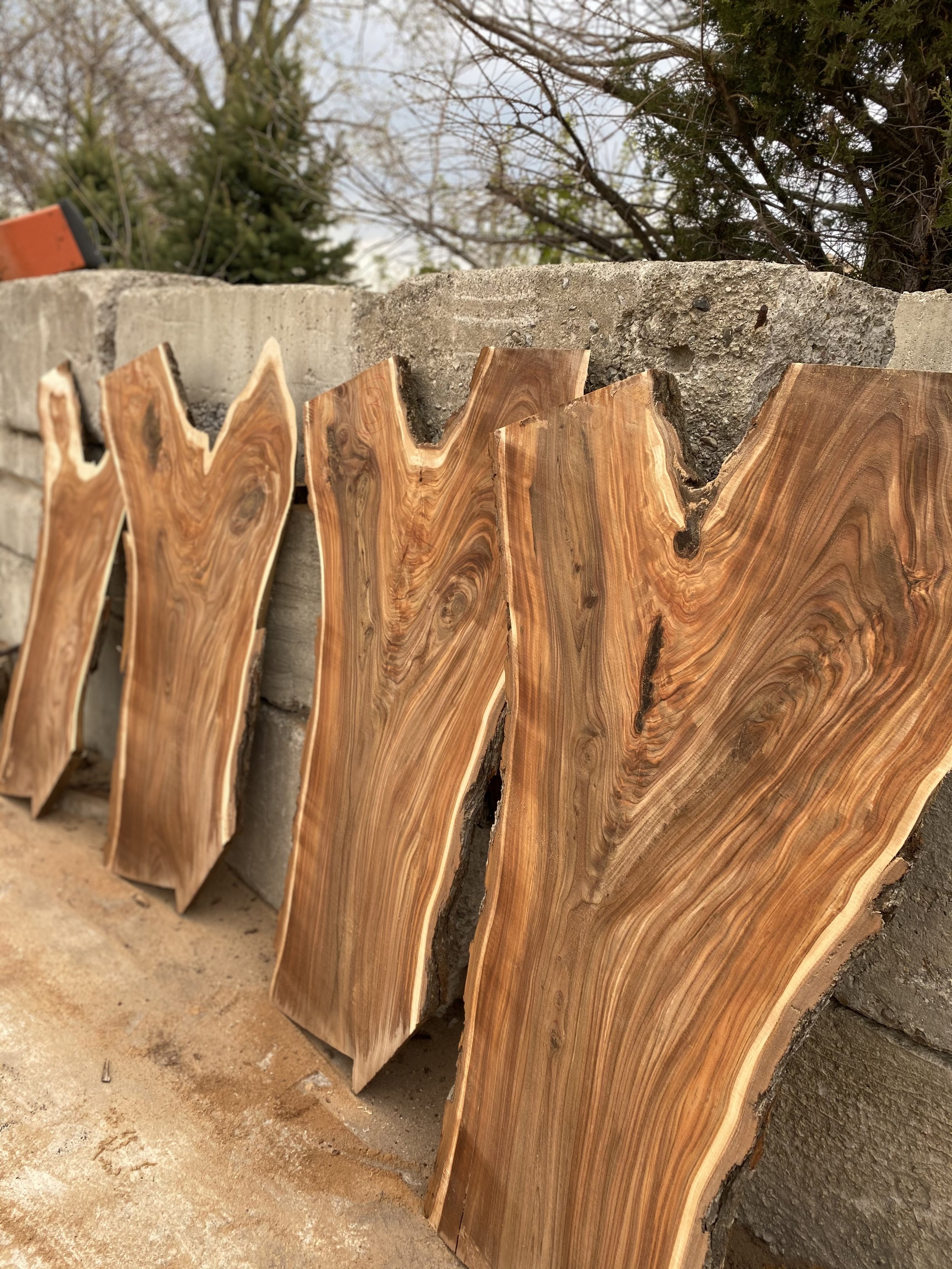
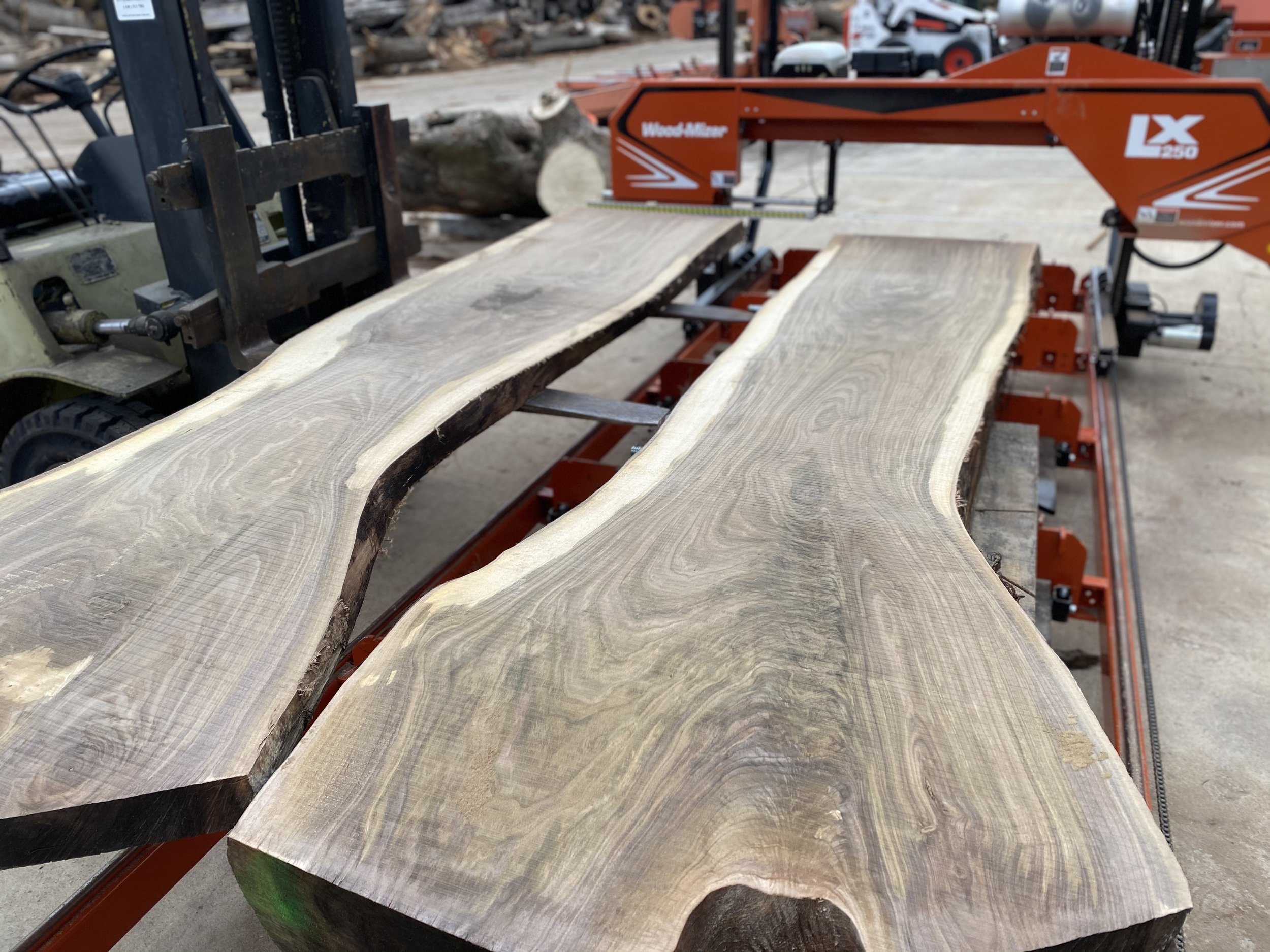
Timberking 2520 making short work on a walnut log.
FAQs
What exactly is custom milling and why would I need it?
A: Whether you've got a beloved backyard tree that had to come down or scored some amazing logs, we can turn them into lumber that can be used for your own projects or we can use it to create your dream furniture, removing the middleman between that fresh-cut log and your next gorgeous project.
Q: How long does custom milling take?
A: Most milling jobs take 1-3 days once the job starts but can vary depending on the size of your logs and weather conditions. We know that we're creating the foundation for your future masterpiece and can give you a specific timeline when we see your logs in person.
Q: What's the largest log you can handle?
A: The Wood-Mizer LX250 handles logs up to 54 inches in diameter and 12 feet long. The TimberKing handles up to 36 inches wide and 20 feet long. If your log is bigger than either, we can usually trim it down first.
Q: What should I do with my logs before bringing them in?
A: First, give them a good once-over. Remove any obvious metal (nails, screws, old fence parts) - our blades are tough, but cutting through metal scraps can damage them. Keep the logs as clean as possible by removing moss or anything that can absorb moisture. Get them off the ground, if you can. If it will be months or even weeks until we mill them, consider using Anchor-Seal to protect the exposed ends from cracking due to moisture exchange.
Q: What's this $300 minimum fee all about?
A: The $300 minimum covers setup time at the lumber yard, blade wear, and our expertise in determining the optimal cuts required to maximize each log.
Q: Can you mill my log into specific dimensions for my project?
A: Absolutely! We're not just cutting logs into random pieces - we're creating YOUR vision. Want 2-inch thick slabs for a conference table? Done. Need specific widths for flooring? We've got you. Just bring us your project plans (or even your sketches on a napkin), and we'll cut your lumber to match your dreams.
